



Electrolyte supplements are everywhere right now, often marketed as something everyone needs to use every day.
But the truth is, most healthy people should get the electrolytes they need from food.
Electrolytes are essential minerals, such as sodium, potassium, magnesium, calcium, and chloride, that play many important roles in the body. And thankfully, they are found in a wide variety of foods. Fruits and vegetables provide potassium, nuts and seeds contain magnesium, dairy and leafy greens give you calcium, and even a minimally processed diet usually provides enough sodium.

That said, there are times when your body loses electrolytes faster than you can replace them through diet alone. In those situations, a thoughtfully formulated electrolyte supplement can be helpful and important.
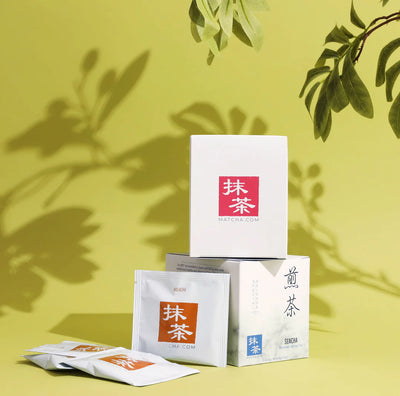
Our Matcha Aid combines essential electrolytes with premium ceremonial-grade matcha and other essential nutrients, like vitamin B12, for a delicious, convenient way to support your overall hydration while providing a small boost of energy. Unlike many electrolyte products, which tend to be loaded with sugar, artificial dyes, or excessive sodium, Matcha Aid delivers a balanced blend designed to help you replenish and refocus.
What are electrolytes, and why are they important?
Electrolytes are minerals that carry an electrical charge when dissolved in water. They help regulate hydration and support nerve signaling, enable muscle contractions, and maintain a steady heartbeat.
The major electrolytes include:
-
Sodium: Helps maintain fluid balance and blood pressure.
-
Potassium: Supports muscle function, nerve communication, and heart rhythm.
-
Magnesium: Involved in hundreds of biochemical reactions, including energy production and muscle relaxation.
-
Calcium: Necessary for muscle contractions, nerve transmission, and bone health.
-
Chloride: Works with sodium to regulate fluid balance and acid-base status.
You lose electrolytes through sweating, urine, and normal bodily functions, and it’s important to replace them throughout the day.
When electrolyte levels become depleted, whether through normal bodily functions or from intense sweating, illness, or dehydration, you may experience symptoms such as fatigue, headaches, muscle cramps, dizziness, or weakness. The wrong levels of electrolytes can even lead to death.
In other words, electrolytes are fundamental to nearly every system in the body, but for most people, a healthy, balanced diet provides the electrolytes they need.
So, when should you use an electrolyte supplement?
1. During intense exercise or heavy sweating

When you sweat, you lose both water and electrolytes - especially sodium, chloride, and potassium. If you’re working out for under an hour at a moderate rate, just drinking regular water is likely enough, particularly if you eat a nutrient-rich diet.
However, taking an electrolyte supplement can be helpful if you are:
-
Exercising intensely for more than 60–90 minutes
-
Training outdoors in hot or humid conditions
-
Participating in endurance events such as marathons or bike races
-
Someone who sweats heavily
During an intense workout or when you’ve been really sweating, not addressing your electrolyte needs can leave you feeling tired, contribute to muscle cramps, headaches, and even affect your performance.
This is a great time to add Matcha Aid to your water bottle, which can help replenish these key minerals while also providing a bit of natural caffeine and L-theanine (found in matcha). This combo can help you feel calm, focused, and energized without the jittery effects often associated with coffee, which may be especially important if you’re working out in the afternoon.
Learn more about using matcha as a pre-workout drink.
2. When you’re sick, vomiting, or have diarrhea

One of the biggest risks of a Gl illness is rapid fluid and electrolyte loss. Vomiting, diarrhea, and fever increase your risk of dehydration and can leave you feeling weak, dizzy, and lethargic.
When you’re sick, replacing electrolytes becomes more important than simply drinking water. Water alone may not adequately restore the sodium and potassium your body needs to maintain fluid balance and normal cellular function.
Common signs of dehydration include dry mouth, dark urine, dizziness, fatigue, and rapid heartbeat.
While severe dehydration may require medical attention, mild dehydration can often be managed with rest, fluids, and proper electrolyte replacement.
3. When traveling or on busy days

When you are traveling or have a busy day, it can be difficult to stay well hydrated or eat a balanced diet. Flying on a plane can be particularly dehydrating because planes often have very low humidity, which can increase fluid loss. Add in disrupted sleep, an extra cup of coffee, skipped meals, and long stretches without access to water, and it’s easy to end the day feeling fatigued, headachy, and mentally drained.
Even on non-travel days, a packed schedule can make it hard to eat regularly and stay hydrated. If you are rushing between meetings, taking care of your kids, or spending long hours on the go, you may not be eating enough potassium- and magnesium-rich foods to fully replenish what your body needs.
Using a good electrolyte supplement on these days may be really helpful.
4. During heat exposure or outdoor adventures

If you’re running a marathon, you almost certainly need to use electrolytes, but even just spending hours hiking in the desert, gardening in the summer sun, attending outdoor events, or sitting in a sauna can lead to heavy sweating.
Sweat contains sodium, chloride, and smaller amounts of potassium and magnesium. And if you don’t replace these minerals, dehydration can contribute to headaches, muscle cramps, fatigue, and dizziness.
Electrolyte supplementation can be particularly helpful when you are:
-
Hiking or biking for several hours outdoors when it’s hot
-
Spending time in hot or humid climates
-
Using a sauna
-
Recovering after heavy sweating
Because Matcha Aid combines electrolytes with the calm, focused energy of matcha, it can be a refreshing way to rehydrate and restore balance after time in the heat.
How to get electrolytes from food
For most people, the best way to meet electrolyte needs is through a varied, healthy diet that focuses on whole foods.
Excellent food sources include:
-
Banana and avocado for potassium
-
Pumpkin seeds and almonds for magnesium
-
Yogurt and kale for calcium
-
Olives and pickles for sodium, or adding some table salt to your meal
If you are eating a balanced diet and partaking in normal activities you already tend to do, you likely do not need an electrolyte supplement every day.
Why Choose Matcha Aid?

When you do need an electrolyte supplement, Matcha Aid is a great choice, designed for people who want more than just hydration support.
Each serving combines:
-
Essential electrolytes to help replenish fluids and minerals
-
Premium ceremonial-grade matcha for calm, focused energy
-
Powerful antioxidants to support overall wellness
-
B vitamins to support energy metabolism
-
L-Glutamine and Taurine to support recovery and performance
-
Zinc and minerals for overall health
Whether you are recovering from a tough workout, traveling across time zones, or spending a day in the sun, Matcha Aid is a great way to help you stay hydrated and energized.
Bottom Line
Electrolytes are vital for hydration, muscle function, and energy production, but most people get what they need from a healthy diet.
There are, however, certain situations, such as a tough workout, illness, travel, or heat exposure, when your body may benefit from extra support.
When those moments arise, Matcha Aid offers can be a great and effective way to replenish electrolytes while delivering the balanced energy and antioxidant benefits of premium matcha.
Disclaimer: These statements in this blog post have not been evaluated by the Food and Drug Administration. The information provided here is for educational purposes only and should not be considered medical advice. It's essential to consult with a qualified healthcare professional before making any dietary or lifestyle changes.
Resources:
Shrimanker I, Bhattarai S. Electrolytes. [Updated 2023 Jul 24]. In: StatPearls [Internet]. Treasure Island (FL): StatPearls Publishing; 2026 Jan-. Available from: https://www.ncbi.nlm.nih.gov/books/NBK541123/
Shirreffs SM, Sawka MN. Fluid and electrolyte needs for training, competition, and recovery. J Sports Sci. 2011;29 Suppl 1:S39-46. doi: 10.1080/02640414.2011.614269. PMID: 22150427.
Kochman J, Jakubczyk K, Antoniewicz J, Mruk H, Janda K. Health Benefits and Chemical Composition of Matcha Green Tea: A Review. Molecules. 2020 Dec 27;26(1):85. doi: 10.3390/molecules26010085. PMID: 33375458; PMCID: PMC7796401.