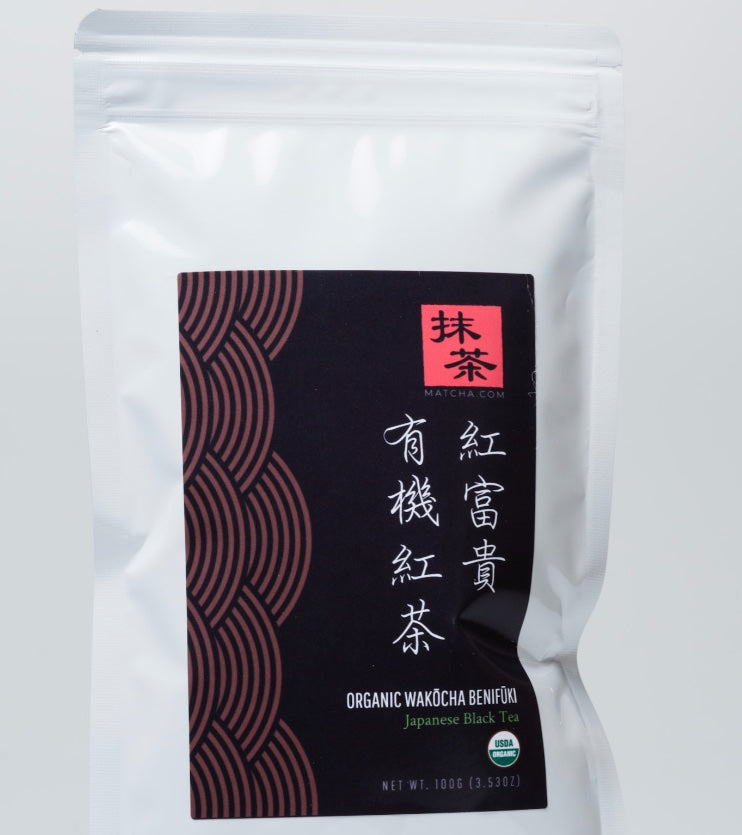
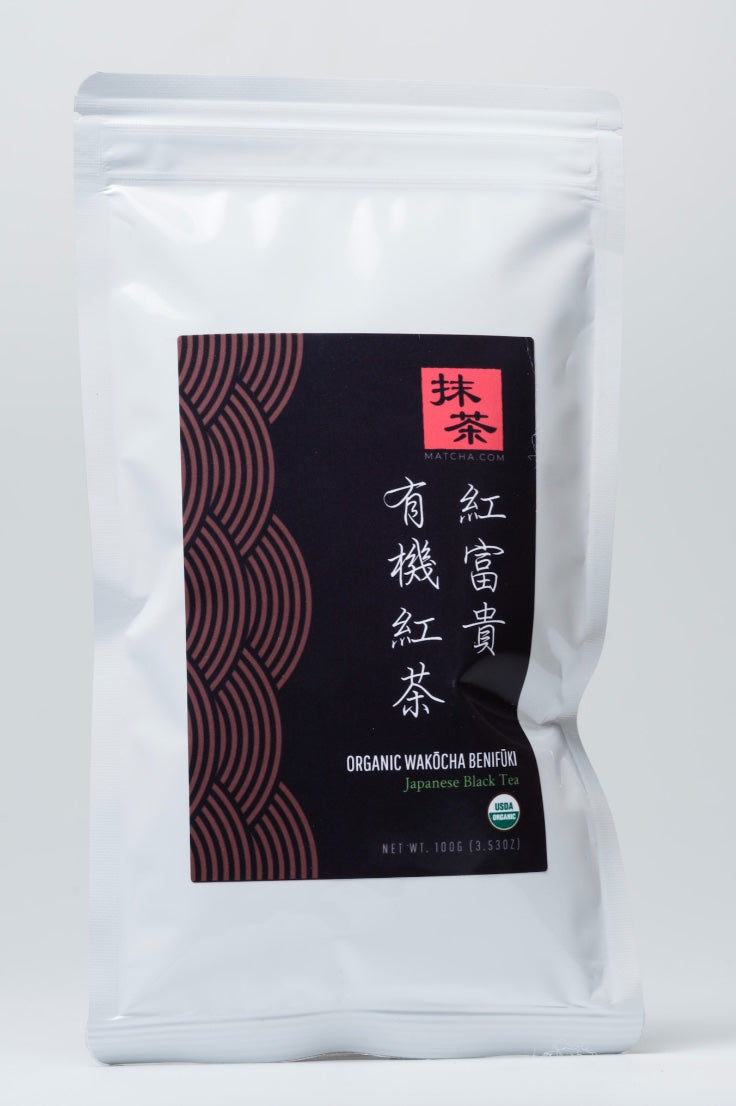
Organic Japanese Black Tea Wakōcha Benifuki

5.0 · 13 reviews

$26.00

100g (1 x bag) · 100 servings · $0.26 per serving

Best for
Morning, Midday, No sweetener needed
Size (30+ servings/bag)

In stock · ships in 1–2 business days

Details

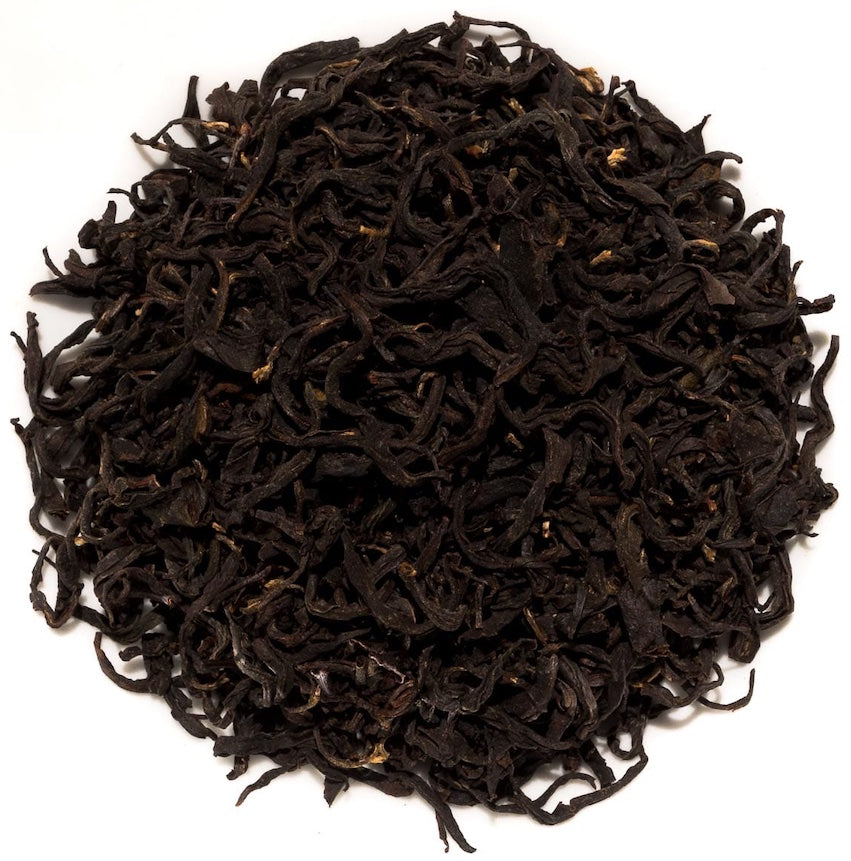
This Japanese black tea was developed in the late 1900s by crossing Japanese Green Tea with the Camellia Assamica cultivar, which is better known as the variety producing Assam Black Teas.

How to prepare
Brew
3 g · 200 ml at 212 °F · 2 min
Shipping & returns

Shipping is calculated at checkout. Every subscription ships free in the U.S.

Farmers picking shade-grown tea leaves under black shade cloth

Cultivar + origin

Where it's grown.

We work directly with family tea farms in Japan, who pair time-honored cultivation with meticulous care for every harvest.

Origin
Japan
Region
Shizuoka
Cultivars
Benifuki
Processing
Fully oxidized black tea

Reviews

In their words.

5.0 / 5.0

Based on 13 reviews

average rating 5.0 out of 5
Based on 13 reviews
  • 5 Stars
    13 Reviews
  • 4 Stars
    0 Reviews
  • 3 Stars
    0 Reviews
  • 2 Stars
    0 Reviews
  • 1 Star
    0 Reviews
100% of reviewers would recommend this product to a friend
Is this Matcha Green?
Rated 3 out of 5
Review posted
Reviewed by Alvin C., from United States
Verified Buyer
How I use it
Plain
I drink Matcha for
  • Immune Support
Rated 5 out of 5

great tea

Great black tea, the best I have tried

Loading...
I recommend this product
Is this Matcha Green?
Rated 1 out of 5
Was this helpful?
Review posted
Reviewed by Hadley M., from United States
Verified Buyer
How I use it
Plain
I drink Matcha for
  • Energy
Rated 5 out of 5

Excellent tea.

Hard to find organic Japanese black tea of good quality, but I was pleasantly surprised with this one. It’s the real deal..

Loading...
I recommend this product
Is this Matcha Green?
Rated 3 out of 5
Was this helpful?
Review posted
Reviewed by Kim S., from United States
Verified Buyer
How I use it
Plain
I drink Matcha for
  • Focus
  • Energy
  • Immune Support
  • Fasting
  • Relax
Rated 5 out of 5

Love the mildness of this tea!

It doesn’t have any of the residual bitterness of black teas. Love it.

Loading...
I recommend this product
Is this Matcha Green?
Rated 2 out of 5
Was this helpful?
Review posted
Reviewed by Patricia W., from United States
Verified Buyer
How I use it
Plain
I drink Matcha for
  • Immune Support
  • Relax
Rated 5 out of 5

Excellent tea

The best black tea I’ve ever tasted! It brews up clear and smooth. I definitely recommend his product.

Loading...
I recommend this product
Is this Matcha Green?
Rated 1 out of 5
Was this helpful?
Review posted
Reviewed by William S., from United States
Verified Buyer
How I use it
Plain
I drink Matcha for
  • Focus
  • Energy
  • Immune Support
  • Relax
  • Fasting
Rated 5 out of 5

Best black tea

This is the best and cleanest black tea on the market.

Loading...
I recommend this product
Is this Matcha Green?
Rated 5 out of 5
Was this helpful?

Organic Japanese Black Tea Wakōcha Benifuki

More about this tea

Read
2 min

What Japanese black tea is

Japan is known for green tea, but it makes Japanese black tea too, called wakocha (also spelled wakoucha), which simply means "Japanese black tea." Ours is made from Benifuki, a cultivar developed in Japan in the late 20th century by crossing Japanese tea with the assamica tea plant, the variety behind Assam black teas. It is grown in Shizuoka, one of Japan's main tea regions, and it is certified organic.

How wakocha tastes

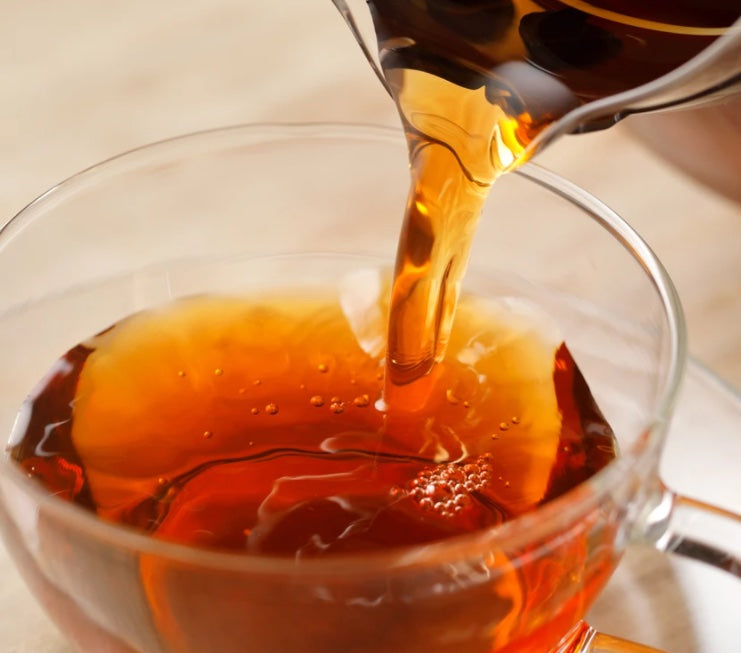
Green tea is steamed soon after picking, which stops the leaf from oxidizing and keeps it green. Black tea is left to oxidize fully, which darkens the leaf and turns the infusion reddish. Benifuki brews into a full-bodied cup with fruity notes of apple and plum. It needs no sweetener, and it is good in the morning or at midday.

Brewing wakocha

Unlike our green teas, wakocha wants fully boiling water. Use 3 g of leaf for about 7 ounces (200 ml) of water at 212°F, and steep for 2 minutes. A small pot or a mug with an infuser works well. It comes in 100 g and 200 g sizes. For how the two kinds of tea are made and how they differ, read differences between green tea and black tea, or browse all our Japanese teas.