


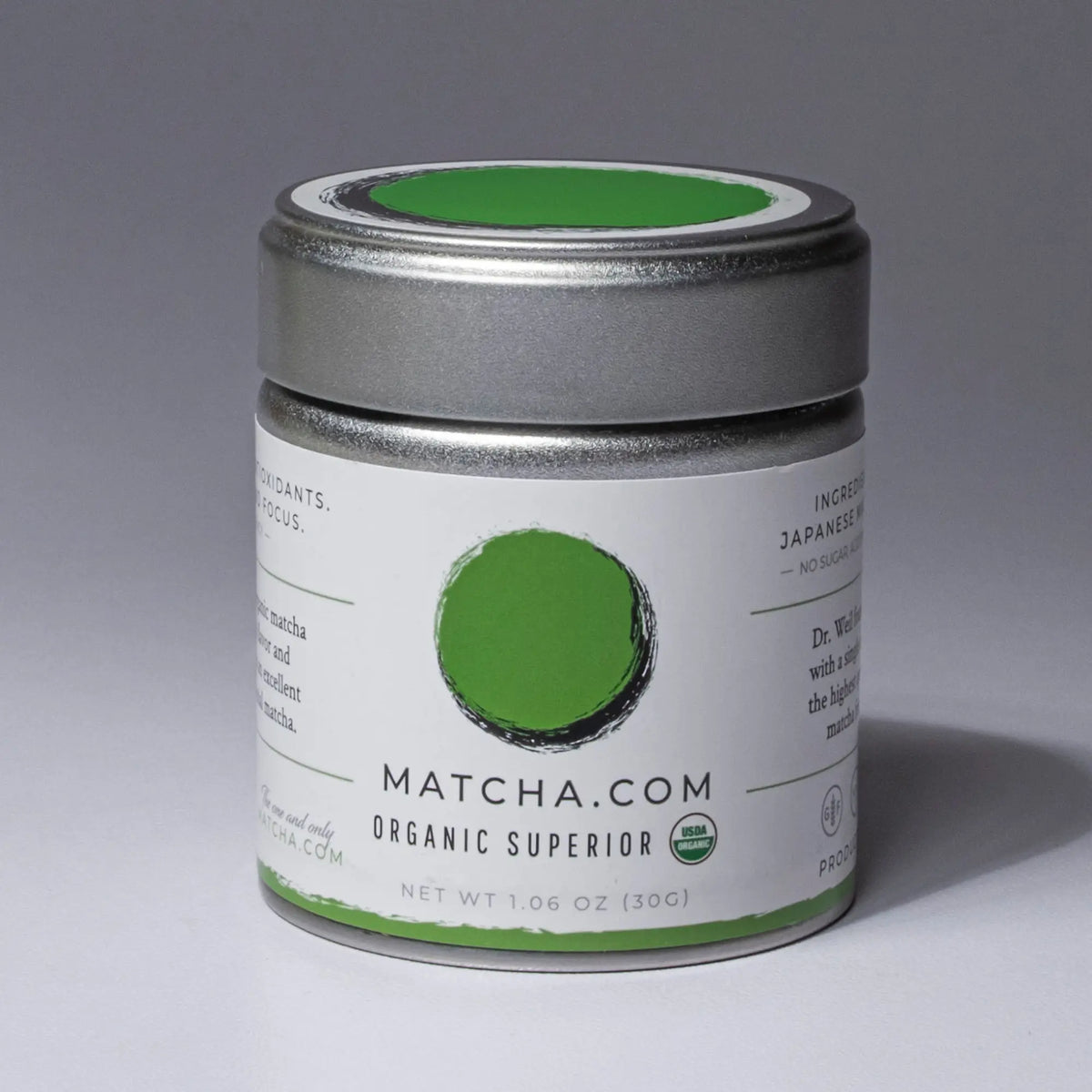
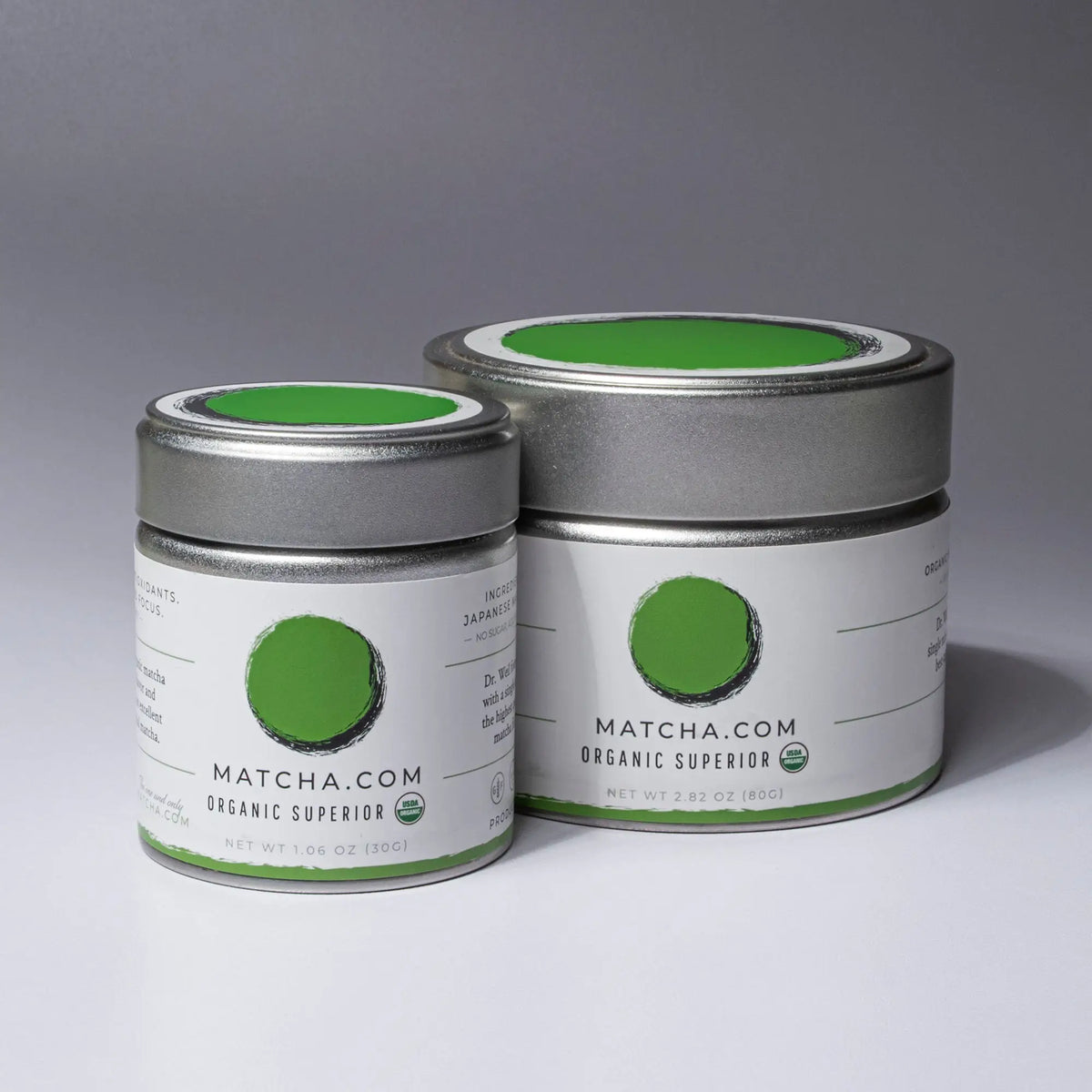
Best sellerOrganic

Find your everyday matcha
Independently tested for purity and quality
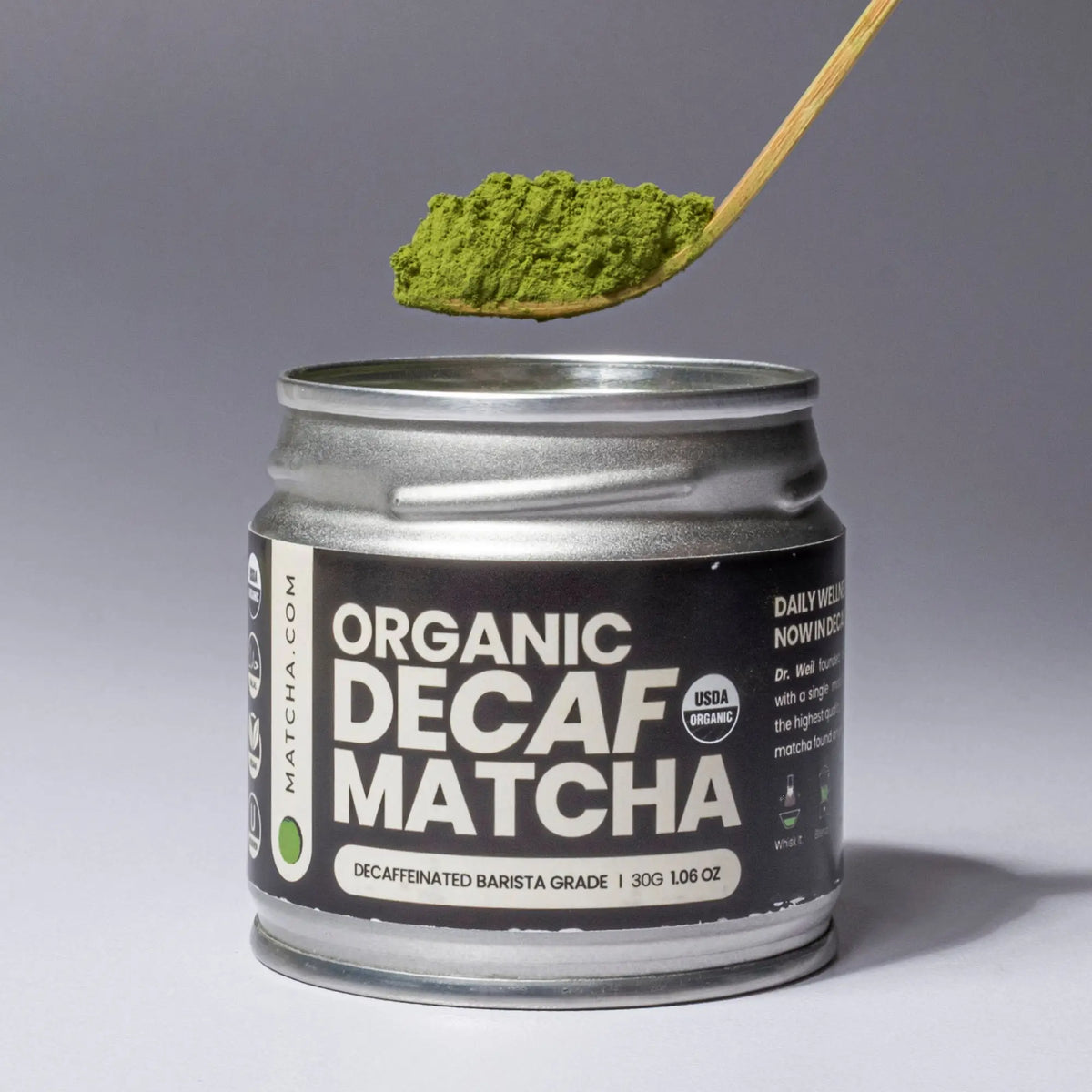
Japanese matcha for your morning latte, a traditional bowl or wherever the day takes you.

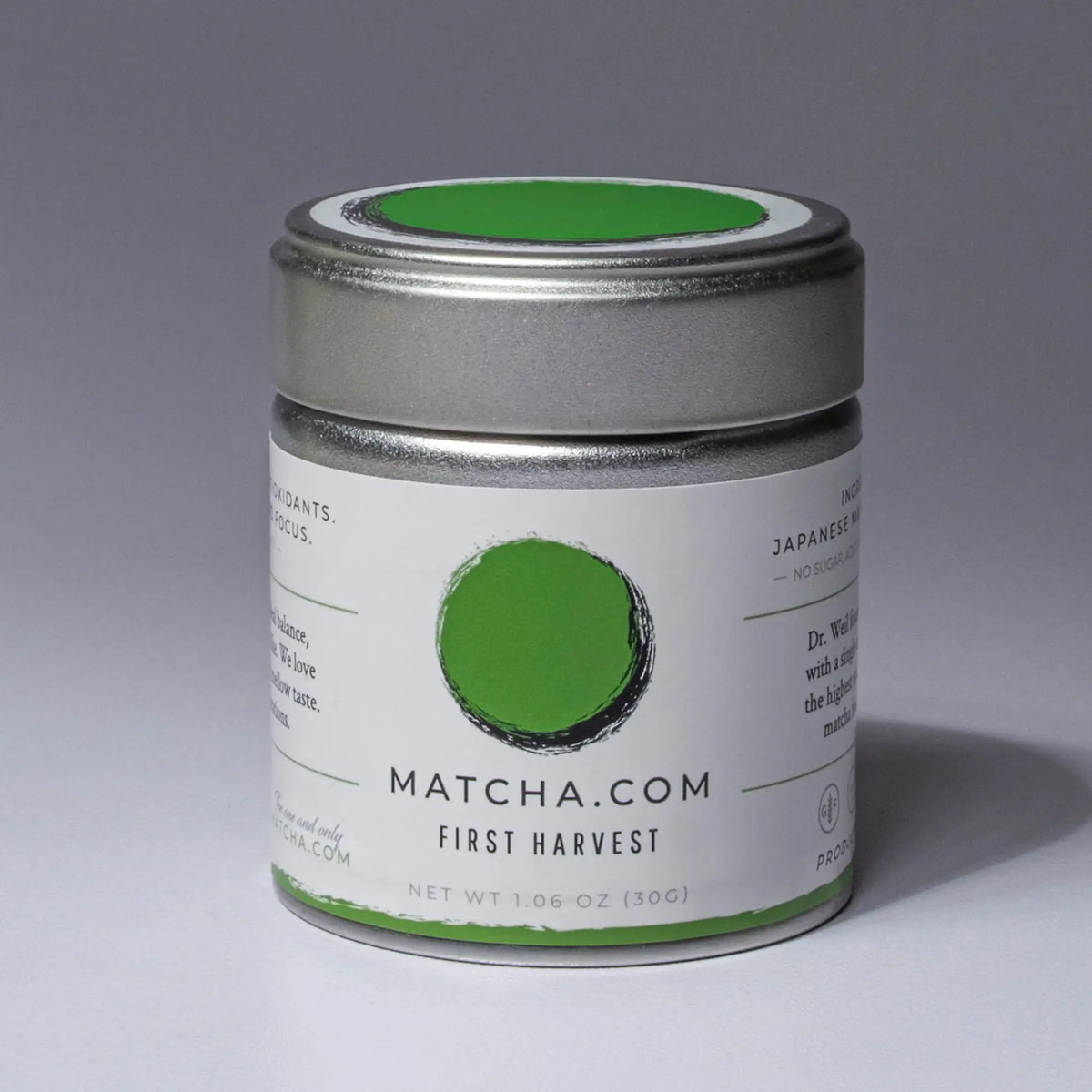
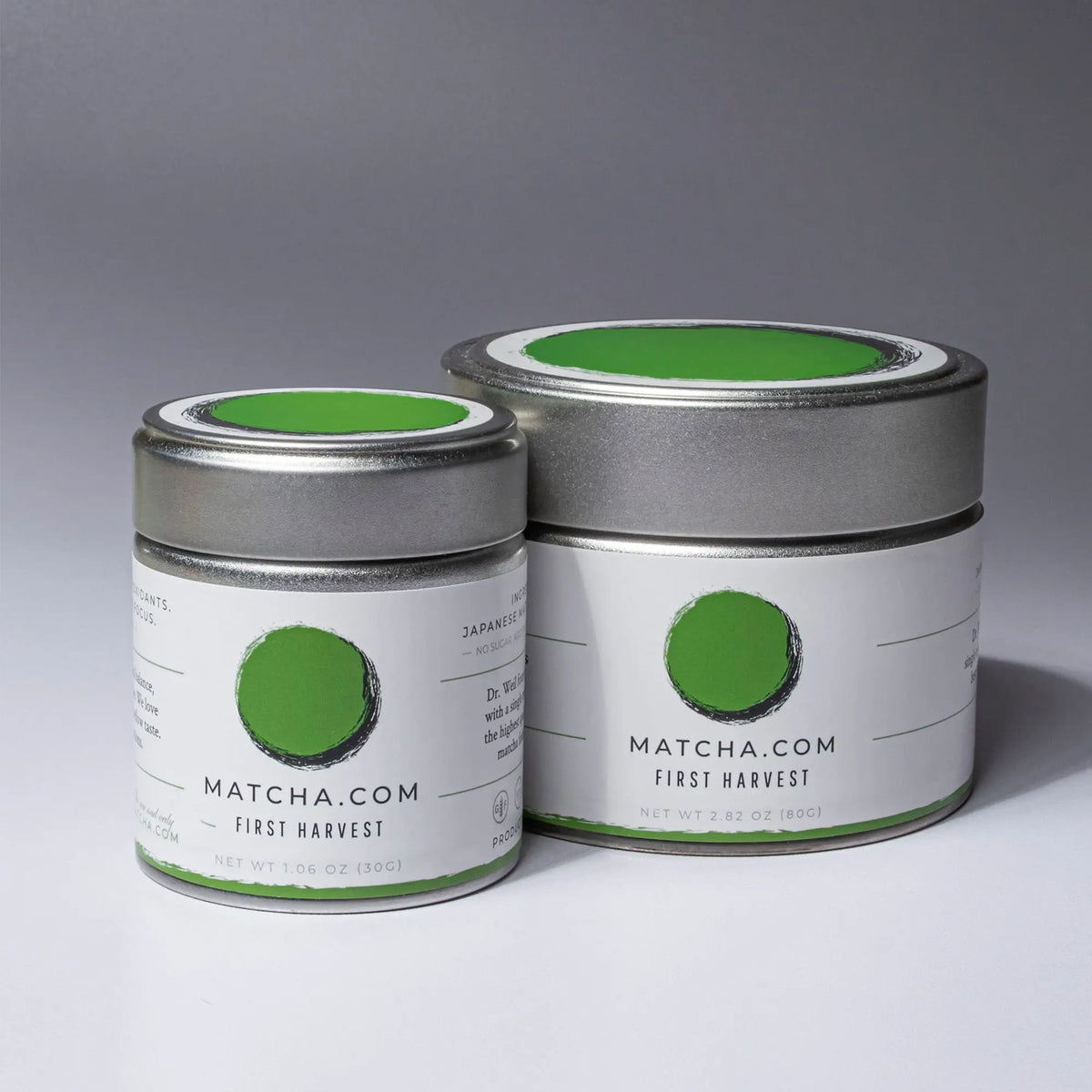
Our matcha is lab-tested in six stages.
Our grades
Three grades, each grown and stone-ground in Japan. Choose by how you like to drink it.
| Best for | Taste | Origin | ||
|---|---|---|---|---|
| Master | Drinking straight | Umami, velvety, sweet | Uji, Kyoto · first day of harvest | Shop Master Grade |
| Ritual | Bowls and lattes | Floral, bright, lightly sweet | Kagoshima · USDA Organic | Shop Ritual Grade |
| Everyday | Lattes and recipes | Bold, made to stand up to milk | Japan · stone-ground | Shop Everyday Grade |
Leaf to tin
Every Matcha Kari tin starts on a partner farm in Japan.

Three to four weeks before harvest, partner farms in regions like Uji, Shizuoka, Kagoshima and Miyazaki shade the tea under nets or straw. The leaves deepen and build L-theanine.

Pickers take just the tender top leaves and buds of the first harvest, by hand for our finest grades. Most top matchas are then blended across cultivars to balance sweetness and depth.

The leaves are steamed the day they're picked to hold their green, then dried into tencha. Granite mills grind it at just 30–40 grams an hour, and each tin is sealed in nitrogen.
The six-stage guarantee
View the published results for the matcha grades covered by our testing program, from heavy metals and pesticides to L-theanine.
View our lab results
6
Microbes, heavy metals, pesticides, radioactivity, potency and a full nutrition panel.
500+
Not detected in our published results.
22.2mg/g
An amino acid found in shade-grown tea, measured per gram.
45,900µg/g
The headline catechin, measured per gram.
Results from our published lab certificate.
In their words
“It's a boost, but it's also a calm energy.”

Rich Roll
“This is your stuff… I know there are cognitive benefits.”

Joe Rogan
“It tastes wonderful and I can feel the authentic dedication to it’s creation.”

Magdalena S.
“Just got my matcha and I am so impressed with the quality and flavor! This matcha delivered everything it said it would! Highly recommend!”

Katie E.
“I am new to the matcha world but I've trusted Dr. Weil on other topics in the past and I LOVE it. It's my new go to drink, sometimes multiple times a day.”

Scott S.
Questions
Matcha is shade-grown Japanese green tea, stone-ground into a fine powder that you whisk into water, so you drink the whole leaf. For several weeks before the spring harvest the tea bushes are shaded, which deepens the color and gives the tea its savory sweetness. Ours is grown and stone-milled in Japan. There's more in what matcha is and how it's made.
Yes. It comes from the same plant as sencha and other green teas. The difference is in the growing and the making: the leaves are shaded before harvest, steamed, dried, stripped of stems and veins, then ground between granite stones. With steeped green tea you drink only what the water draws out of the leaves; with matcha you drink the leaf itself.
Sift about ½ teaspoon (1 g) into a bowl, add about 70 ml (2½ oz) of water at 175°F, hot but not boiling, and whisk briskly in a zigzag for about 15 seconds, until a fine froth forms. Drink it while the froth holds. For milk drinks, see how to make a matcha latte.
Good matcha is fresh, grassy and gently sweet, with a savory depth the Japanese call umami and only a little bitterness. A brighter green usually means a fresher, higher grade. If yours tastes harsh, the water is often too hot or the matcha has gone stale.
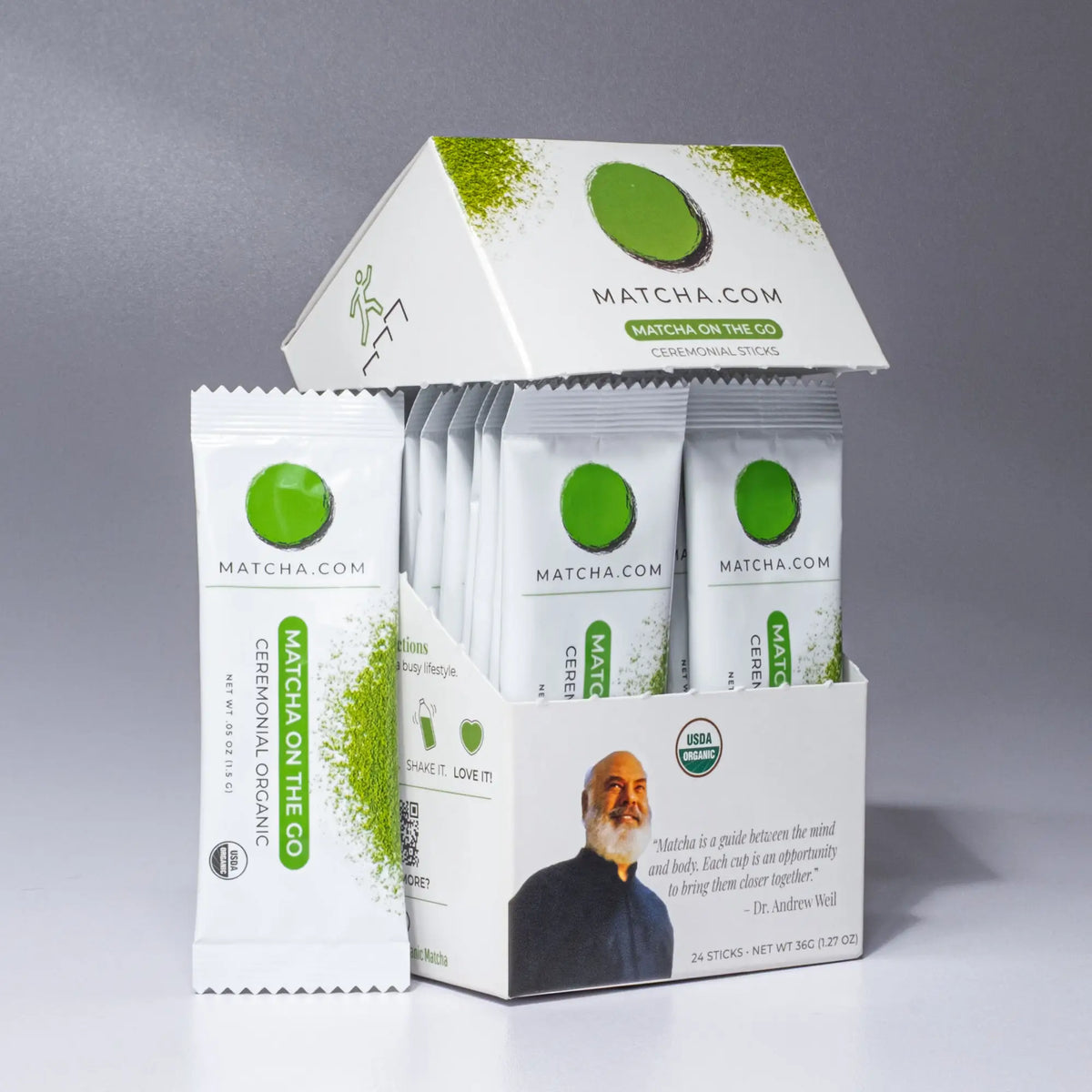
It depends on how you'll drink it. Master is best for drinking straight, whisked with water. Ritual is versatile for bowls and lattes. Everyday is made for lattes and recipes, and holds its flavor in iced drinks. On-the-Go sticks need no whisk at all. New to matcha? Organic Superior, a Ritual grade, is our recommended starting point. Compare them all in our matcha collection.
Sencha and gyokuro are steeped as whole leaves and the leaves are left behind. Hojicha is roasted, which makes it toasty and lower in bitterness. Matcha is the only one ground to a powder and drunk whole, so it has the richest color and the fullest flavor. Our other teas are in Japanese teas.
From the journal


