



Learn · Latte recipes
Our golden ratio matcha latte recipe takes about three minutes at home. Here’s how to make one hot, iced or sweetened your way, with a short video for each.
Before you start
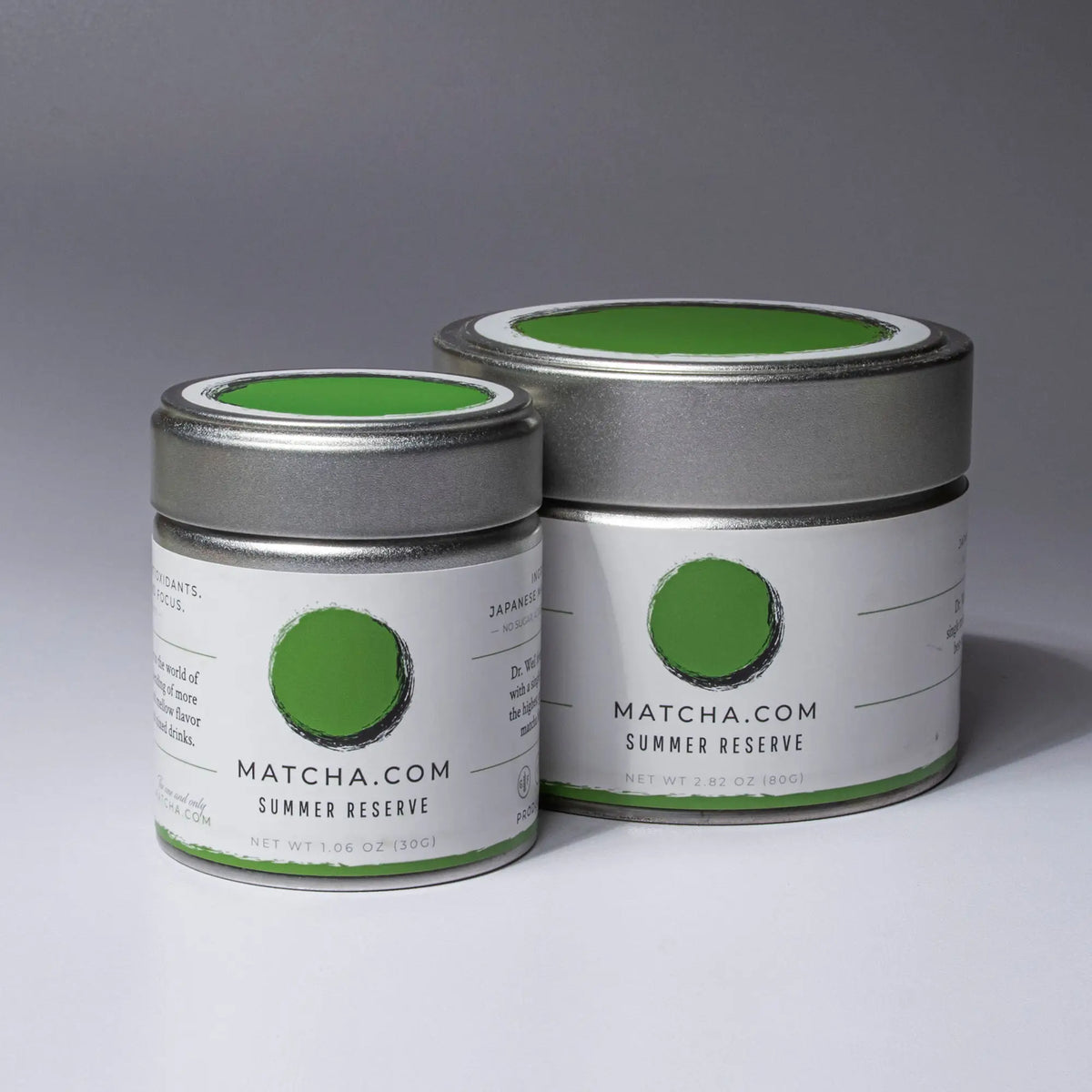
Tools
Method 1 · Traditional
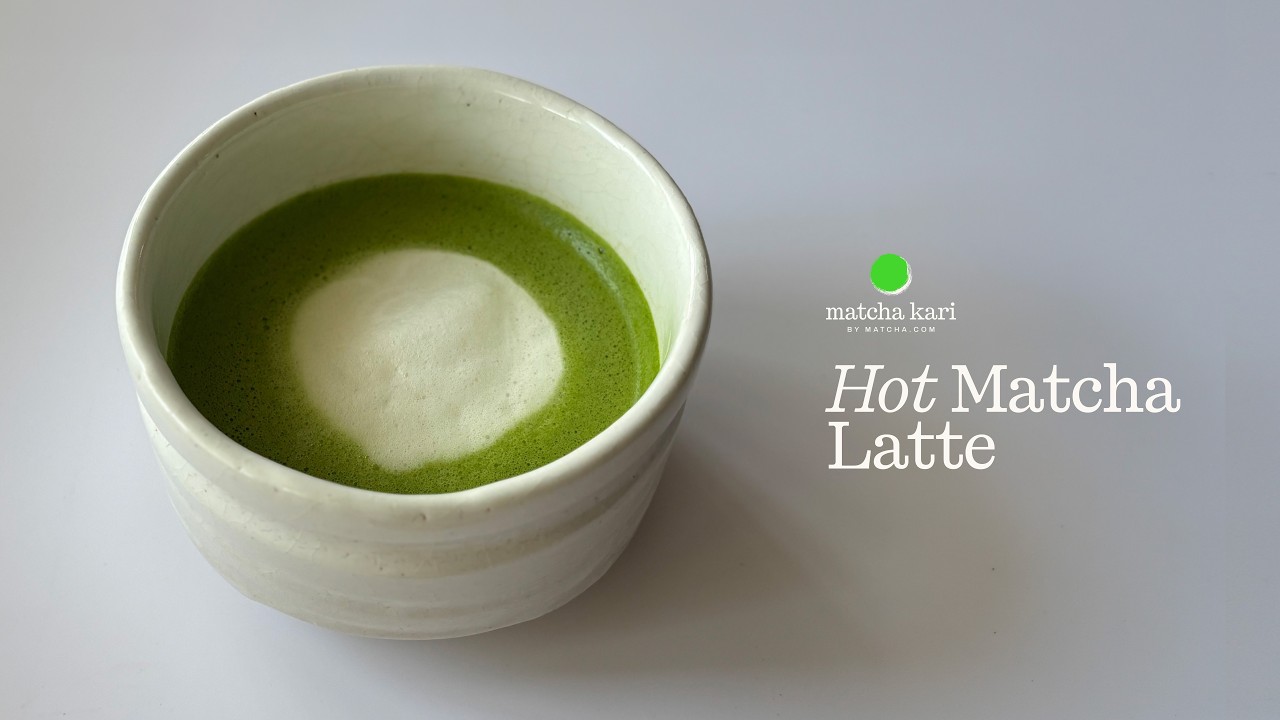
The classic matcha green tea latte. Whisk matcha with hot (not boiling) water to a smooth concentrate, then top with milk.
Tip: Keep the water at 165–180°F, hot but not boiling, or matcha turns bitter. No thermometer? Pour once the kettle just starts to steam.
Method 2 · Iced
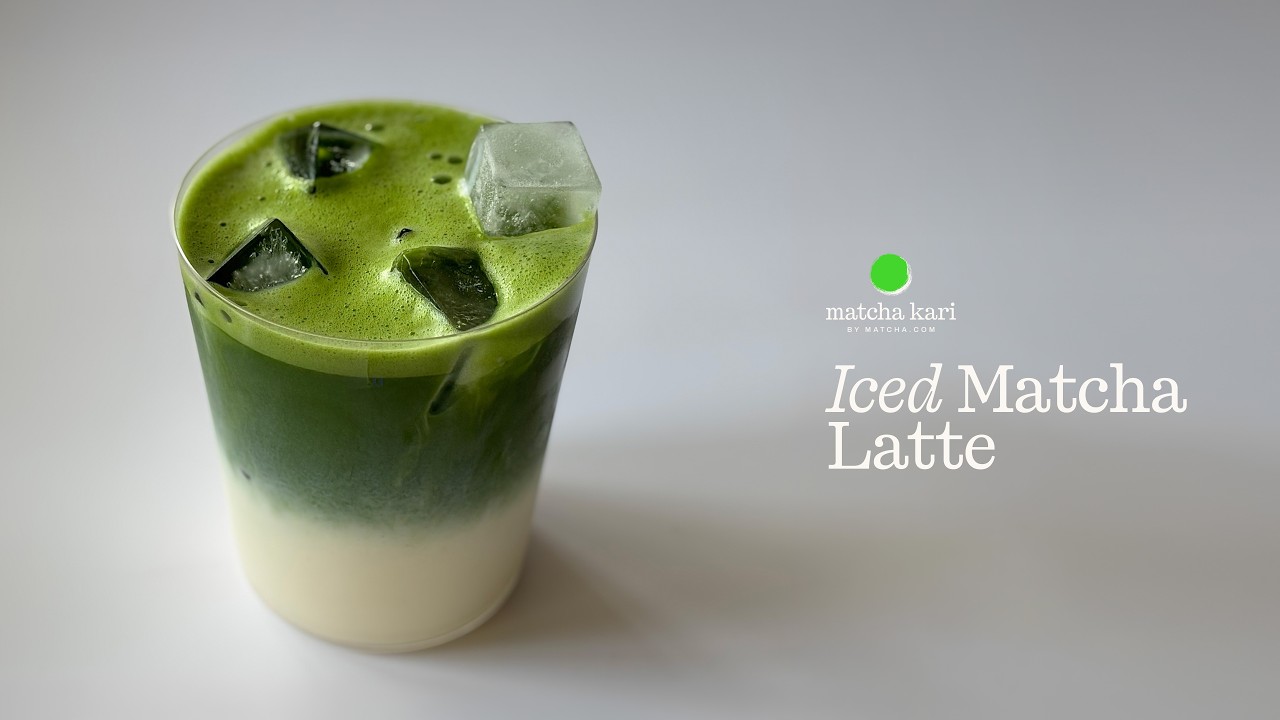
Bright, refreshing and quick. Whisk matcha with room-temperature water first so it blends evenly into cold milk.
Tip: In a hurry? Matcha on the Go stick packs need no sifting. Just shake into cold water or milk until smooth.
Method 3 · Sweetened
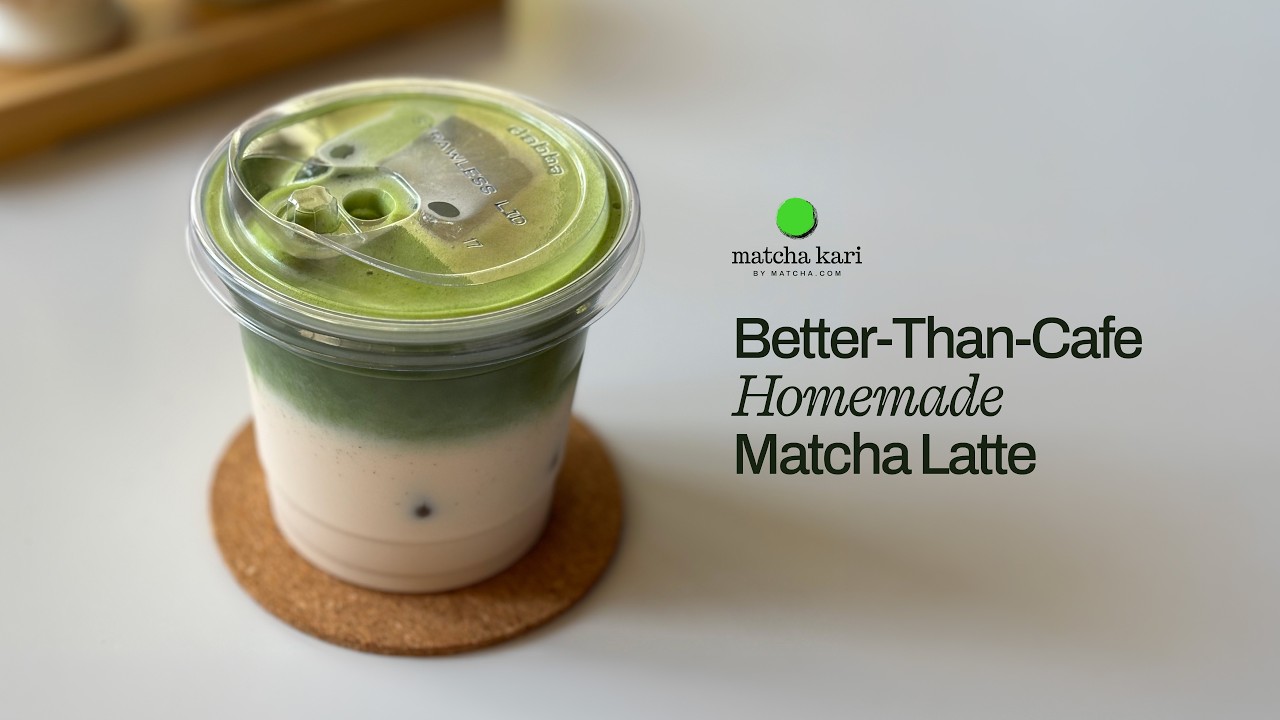
Good matcha is naturally a little sweet, but a touch of sweetener makes a latte feel like a treat. The trick is adding it at the right moment so it dissolves fully.
Tip: Want sweetness without adding sugar? Try our flavored matcha in vanilla, chocolate or mango.
Best matcha for lattes
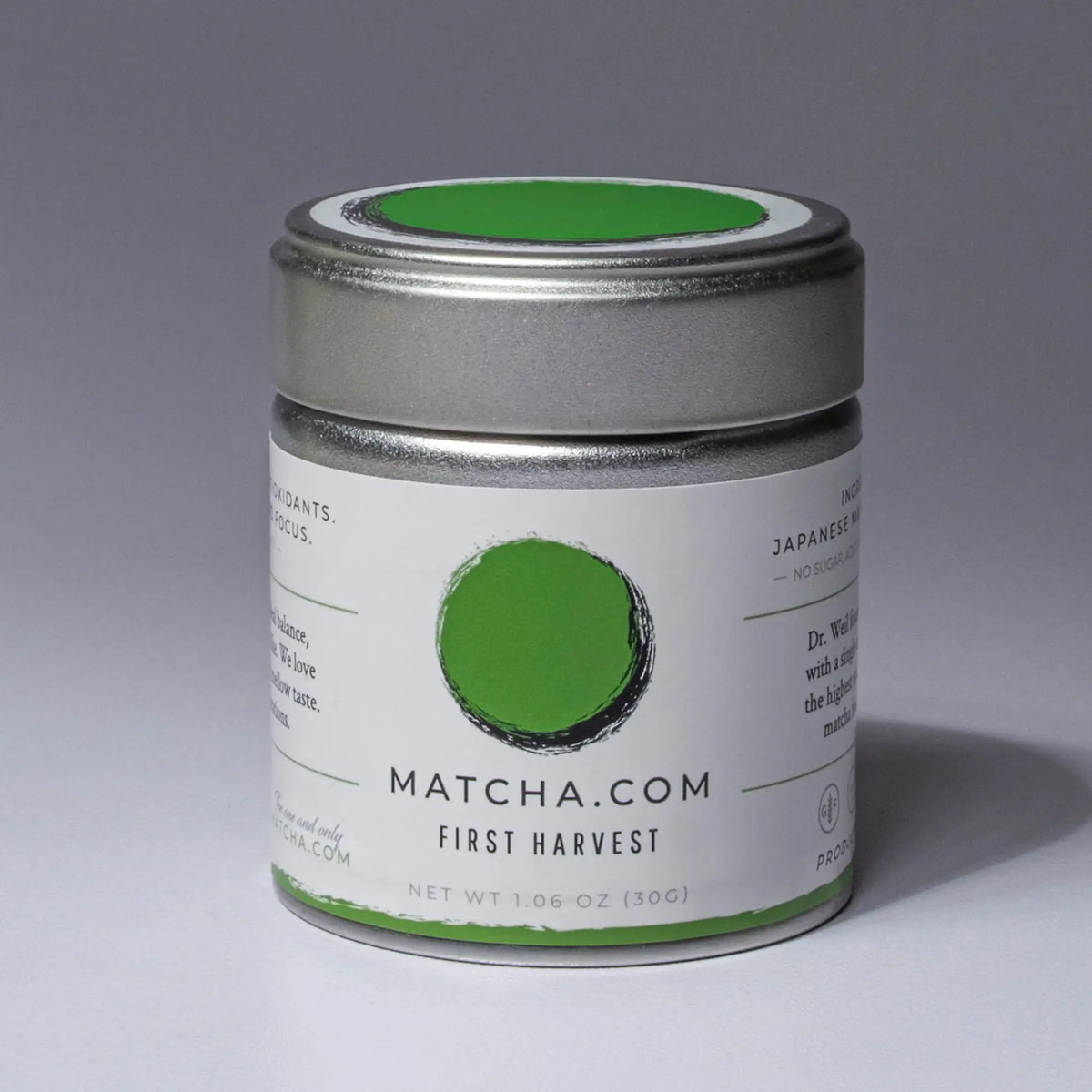
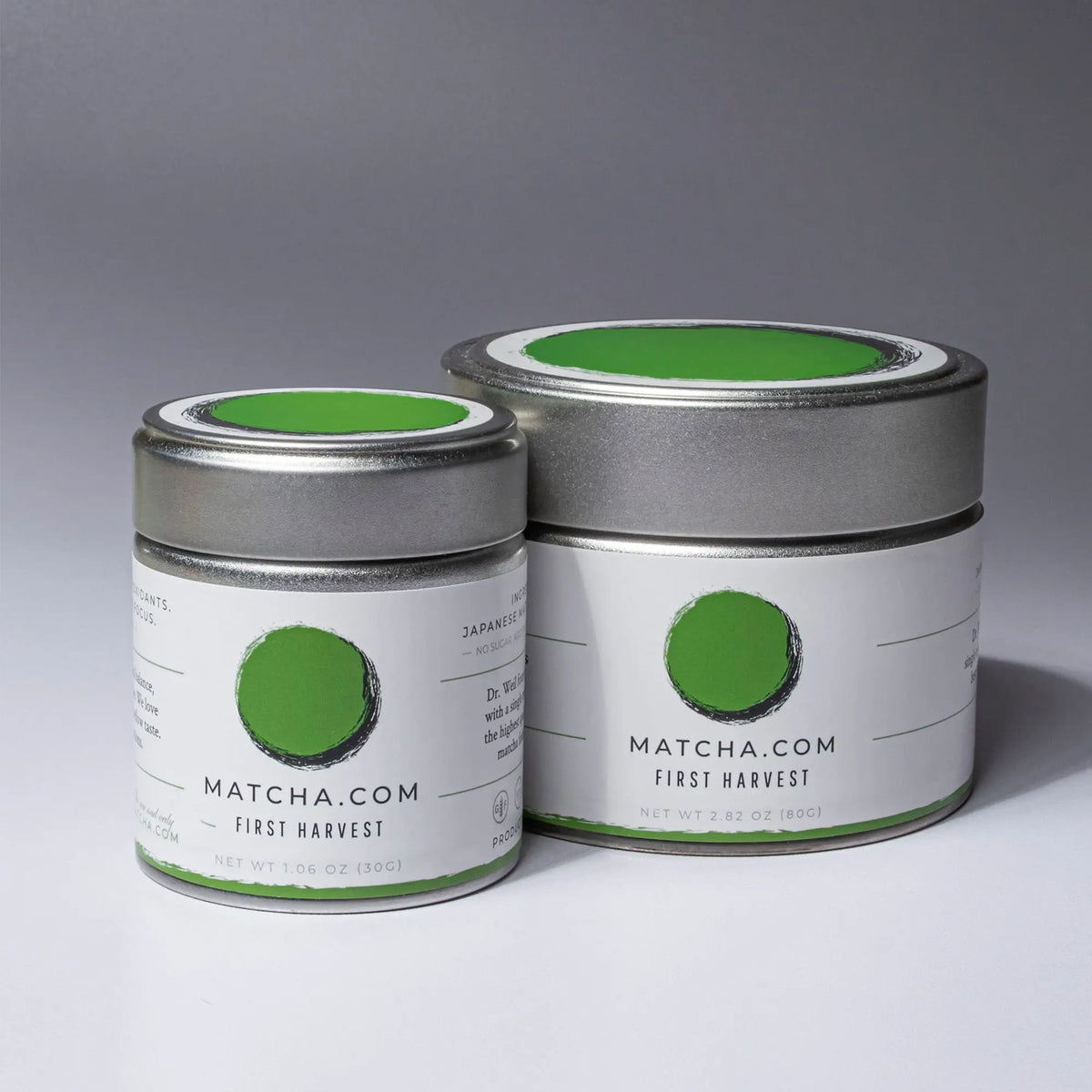
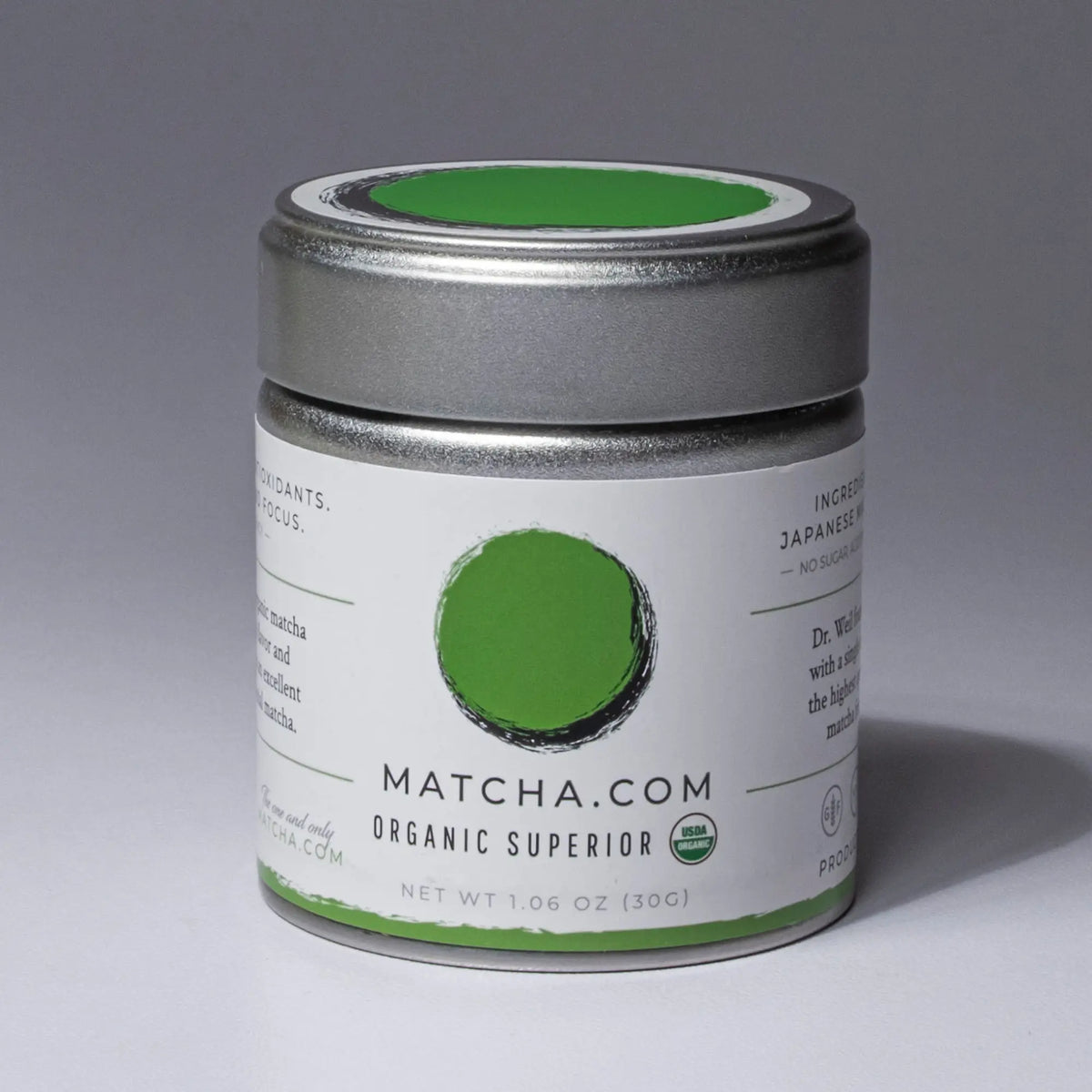
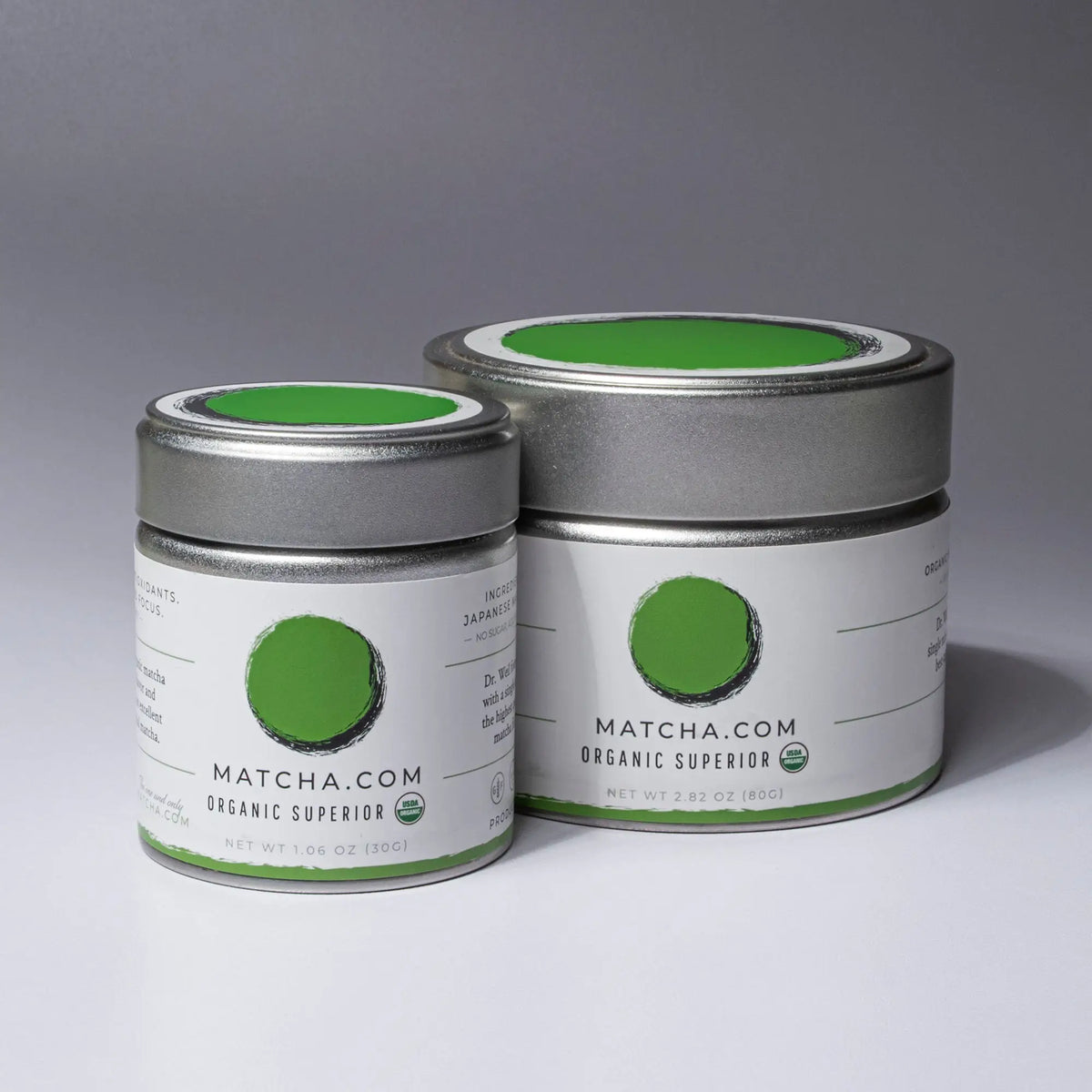
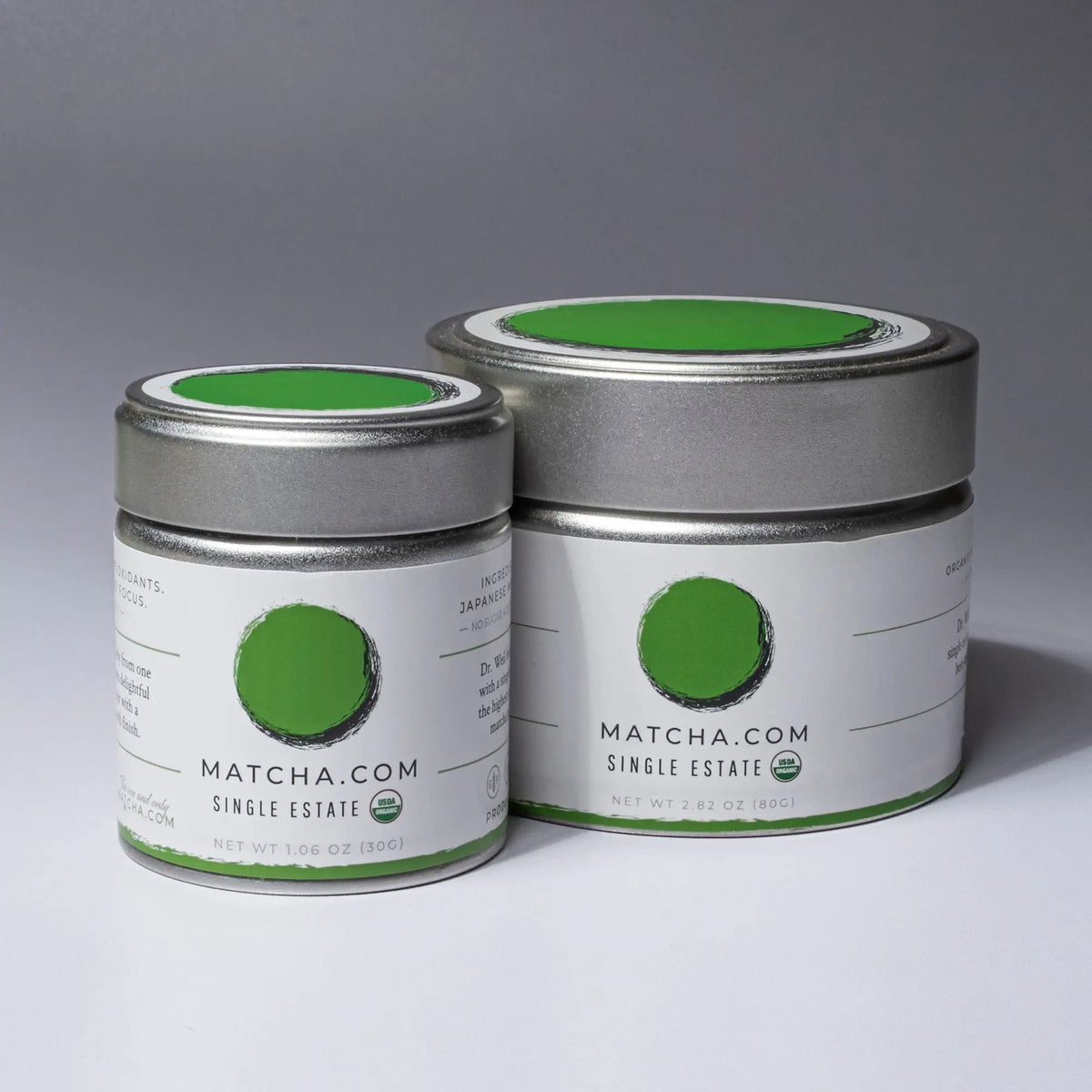
These blends are bold enough to stand up to milk while still tasting like matcha. Each is just as good with water.
Shop latte matcha

Questions
Matcha is a very fine powder that clumps easily. Sift it first, and always whisk it with a small amount of water before adding milk.
Usually the water is too hot. Keep it between 165 and 180°F. Using too much matcha, or a lower-grade powder, can also make it bitter.
Oat milk and whole milk froth the best and taste creamy. Almond and soy work well too. It comes down to your taste.
Yes. Shake the matcha and water in a sealed jar, or use an electric frother. A bamboo whisk gives the smoothest result.
Matcha naturally contains caffeine, and the amount varies by grade and harvest. Each product page lists the caffeine measured in that product’s lab report. For an evening latte, try Organic Decaf Matcha, with most of its caffeine removed by a chemical-free process.
