Furikake is a Japanese spice blend that is traditionally used to season rice. While it’s ideal for rice, it’s also delicious on noodles, fries, ramen, popcorn, or even on avocado toast. Traditional furikake is made with white and black sesame seeds, nori (dried seaweed), sugar, and salt. It also usually contains some dried fish, such as bonito flakes, shrimp, or salmon. It has a complex umami flavor with the perfect combination of salty and sweet.
Our vegetarian furikake seasoning adds a touch of spice with red pepper flakes and delightful earthiness with matcha.
It’s simple to make and elevates any dish!
You can make your furikake seasoning or buy furikake seasoning from the grocery store. To make your own, combine four tablespoons white sesame seeds, two tablespoons black sesame seeds, two nori sheets cut into small squares or crumbled by hand, and ½ teaspoon salt.
Recipe
Healthy Furikake with Matcha Flavor (Japanese Rice Seasoning)
Prep
5 min
Makes
About ¼ cup
You'll need
Sifter, small bowl
Ingredients
Method
01
Sift the matcha. Sift the matcha into a small bowl.
The healthy Ingredients found in your Japanese rice seasoning:
Sesame seeds: Sesame seeds make up the base of furikake and add the perfect crunch. Making this dish using white and black sesame seeds would be best. Black sesame seeds still have their hull attached and therefore have a more robust flavor and are crunchier than their counterparts. In addition, black sesame seeds are a great source of calcium, magnesium, iron, copper, and manganese. (3)
A diet high in calcium has been linked to a lower risk of high blood pressure and heart disease. Manganese, iron and copper regulate metabolism and proper cell functioning. Seeds are also a good source of protein and fiber. (3)
Nori: Nori is dried seaweed, considered a “superfood” of sorts. Nori is packed with vitamins and minerals and can be a great source of EPA and DHA for vegans and vegetarians. Nori is also a fantastic source of protein and contains all nine essential amino acids making it a complete protein source. (4)
Red pepper flakes: Pepper adds heat and have also been shown to help boost your metabolism and support heart health. You can play around with different chili peppers here if you’d like. (2)
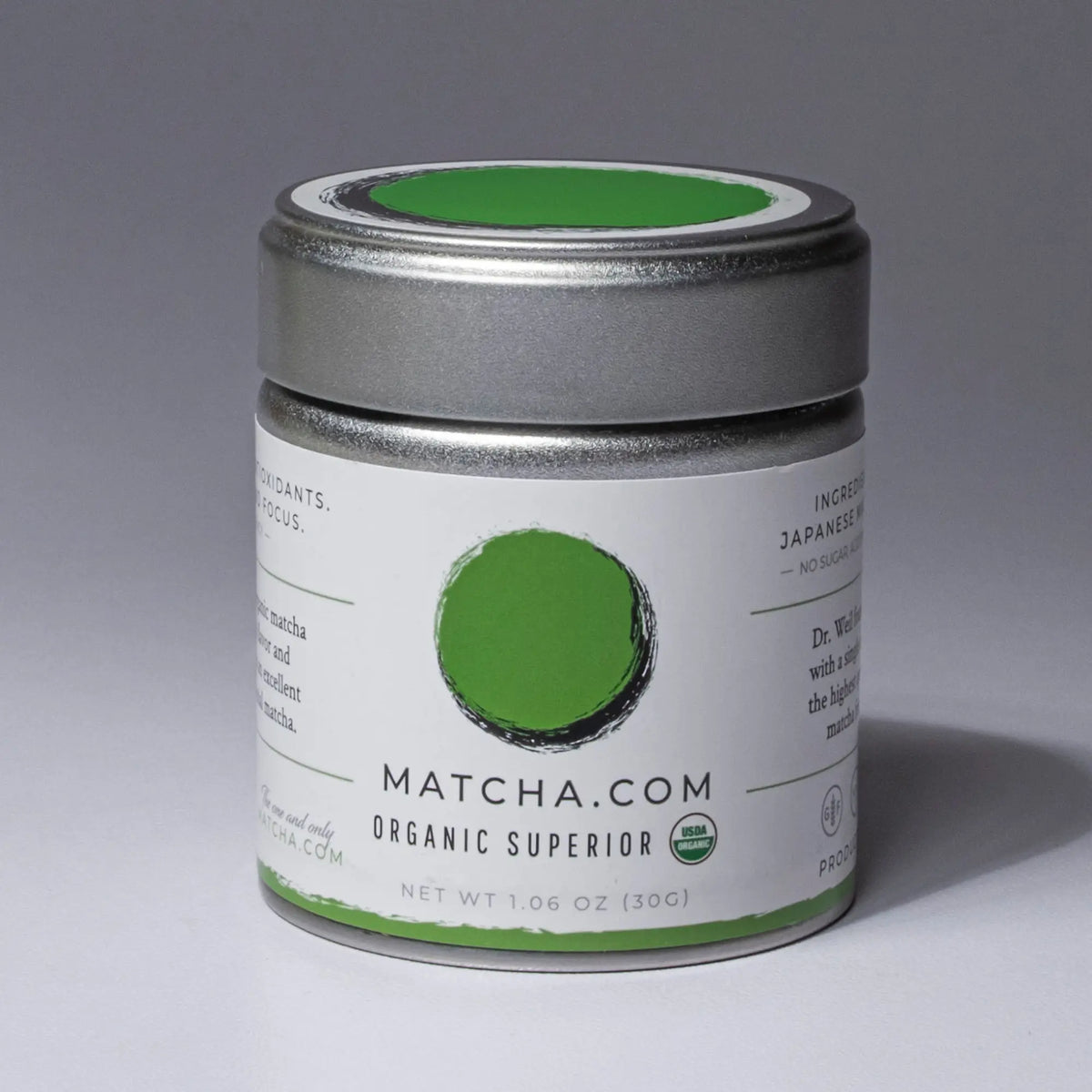
Matcha: Culinary-grade matcha is ideal in this recipe. Always sift your match before using it, or you may end up with matcha chunks. In addition, matcha has incredible health benefits, such as having antioxidant and anti-inflammatory properties.
How to use Furikake | Quick Japanese rice seasoning that goes on everything!
Topping for popcorn
Avocado toast
Cottage cheese
Rice
Tofu
French fries or onion rings
Chex mix or with other nuts/seeds
Udon or ramen noodles
On top of chicken fish or another entrée
Other additions you can add into your furikake:
Bonito flakes
Miso powder
Dried fish
Shiitake powder or dried mushrooms
Kelp powder
Red chili pepper flakes
Dried shiso leaves
How long can I use my furikake seasoning? Will it go bad?
Once you prepare your homemade matcha furikake seasoning, store it in an air-tight container in the fridge. Try and enjoy it within 3-4 days.
You can also opt to store it in the freezer or fridge and enjoy it for up to one month. After a month, we recommend throwing out your furikake seasoning and making a new batch. Furikake has more active ingredients than salt, so it does eventually expire and soil.
Also be sure to check the expiration date of your store-bought furikake seasoning used in this recipe – and remember that the expiration date on the packaging is the date it is best before opening.
This post and recipe is By Diana Weil, Matcha.com's Integrative Nutritionist and Food Relationship Specialist.
References:
Kamalesh Raja, Vijayasri Kadirvel, Thiruvengadam Subramaniyan. Seaweeds, an aquatic plant-based protein for sustainable nutrition - A review, Future Foods, Volume 5, 2022, 100142, ISSN 2666-8335, https://doi.org/10.1016/j.fufo.2022.100142.
McCarty, M. F., DiNicolantonio, J. J., & O'Keefe, J. H. (2015). Capsaicin may have important potential for promoting vascular and metabolic health. Open heart, 2(1), e000262. https://doi.org/10.1136/openhrt-2015-000262
Pathak, N., Rai, A. K., Kumari, R., & Bhat, K. V. (2014). Value addition in sesame: A perspective on bioactive components for enhancing utility and profitability. Pharmacognosy reviews, 8(16), 147–155. https://doi.org/10.4103/0973-7847.134249
Peñalver, R., Lorenzo, J. M., Ros, G., Amarowicz, R., Pateiro, M., & Nieto, G. (2020). Seaweeds as a Functional Ingredient for a Healthy Diet. Marine drugs, 18(6), 301. https://doi.org/10.3390/md18060301