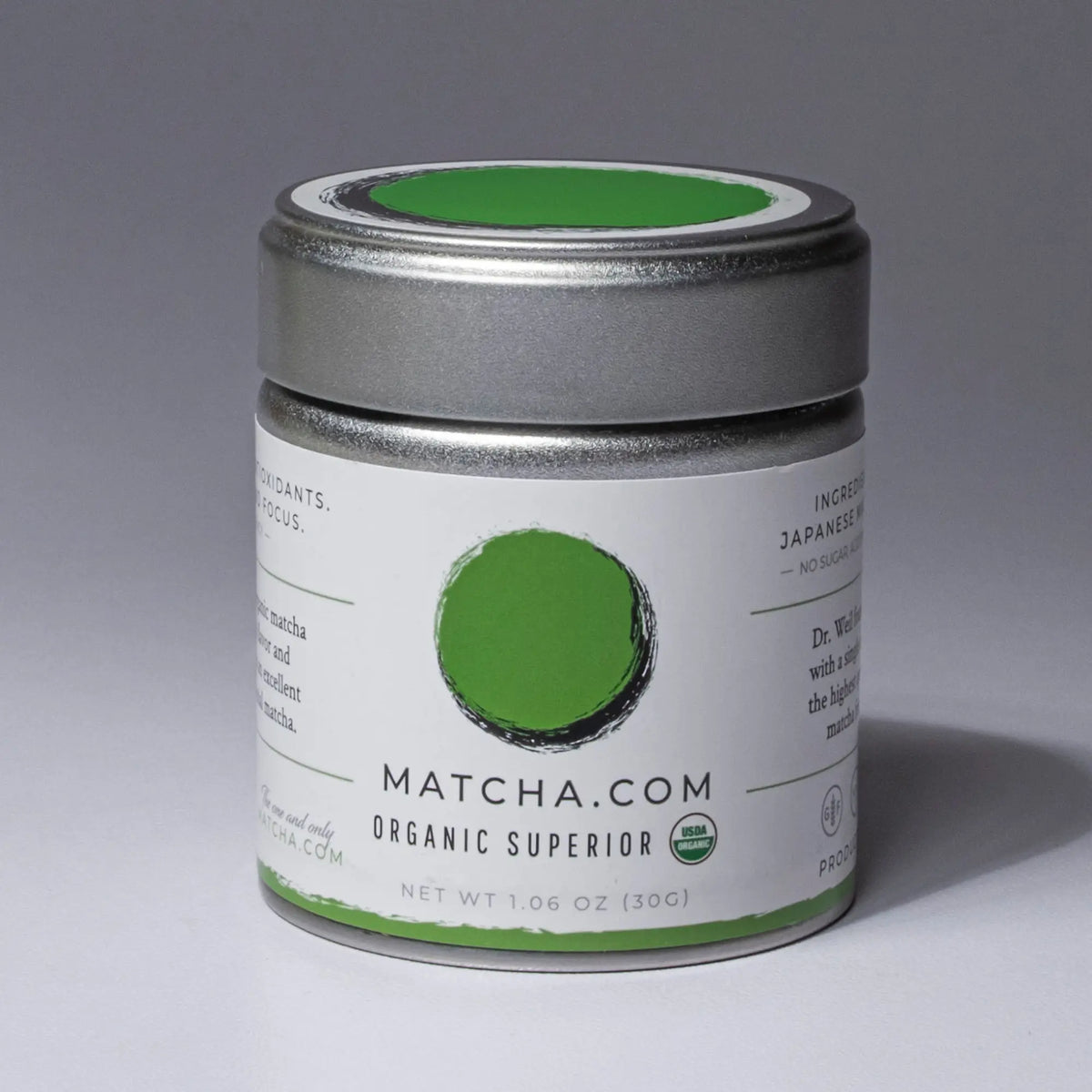


Outside of water, tea is the most consumed beverage in the world, and lately, matcha has been stealing the spotlight. Matcha is vibrant and delicious, and rooted in centuries of Japanese tradition. It’s beloved for its rich umami flavor, steady energy, and impressive health benefits. But with popularity often comes imitation. Not all matcha is created equal, and products labeled as matcha may not be the real deal.
Lately, a flood of low-grade “matcha” powders has hit the market, especially in subscription-based big-box retailers. Fake matcha describes matcha tea powder that looks the part but doesn’t deliver the taste, quality, or benefits of genuine matcha.
So, what is fake matcha, and why should you avoid it?
What Is Fake Matcha?

Fake matcha refers references “matcha” products that are often mass-produced, machine-ground, or made from the wrong types of tea leaves, like sencha or bancha. These imitation products may also contain any number of different types of tea (or tisanes- flowers). Some are made with mulberry leaf powder (occasionally used in powdered form, which resembles matcha in apperance but differs in flavor and origin) or moringa leaf powder. Though not a tea, moringa leaf powder is sometimes used as a visual and flavor subsitute in low-quality "matcha" products. While it's vibrant green and comes in powder form, it lacks the flavor profile of real matcha. Moringa leaf powder is also sometimes used as a substitute for culinary-grade matcha in baked goods.
These substitutes tend to lack the vibrant green hue matcha is known for as well as the texture, and rich umami flavor of authentic shade-grown tencha leaves. They are often much cheaper and most likely less heatlhy or flavorful. Yet, they are flooding the market due to high demand for matcha-like products. They may also be sourced from outside Japan, such as in China or Vietnam, and may be falsely labeled as a “Product of Japan.”
To summarize, real matcha is made from shade-grown tencha leaves that have been stone-ground into a vibrant green powder. Fake matcha, on the other hand, is often made with sencha leaves, which are grown in direct sunlight. Sencha is meant to be enjoyed as a loose-leaf tea, not ground into a powder. When ground down, it can be bitter, dull in color, and can lack in both taste and nutritional value.
Why There's So Much Fake Matcha Right Now
Demand for matcha has grown faster than Japan's farms can keep up, helped along by social media and people swapping coffee for a calmer kind of caffeine. Real matcha can't be scaled overnight:
- Only young spring leaves from shaded plants can be used
- Stone-grinding is slow, only a few dozen grams of powder an hour per mill
- The farms are small, specialized and often run by the same families for generations
When supply can't meet demand, prices rise and cheaper look-alikes fill the gap.
Where fake matcha shows up
Watch for large bulk bags, around 400 grams, labeled "matcha" for under $25. Some of these look green, blend fine and aren't very bitter, which makes them tricky, but at that size and price they can't be true, high-quality matcha. Imitation matcha also turns up as:
- Pre-sweetened "matcha" mixes that are mostly sugar and milk powder with a little green tea
- "Matcha-flavored" products with little or no real matcha
- Capsules and instant drink sticks, often made from lower-grade tea extracts rather than stone-ground leaves
- Bright green powders with vague labels that don't state origin, harvest or processing
Many of these aren't bad products. They just aren't what the label says.
Why It Matters

Matcha is prized for its naturally occurring compounds, including L-theanine, chlorophyll, and catechins (such as EGCG). Combined with caffeine, it can provide a calm, focused energy. However, not all matcha contains these benefits to the same degree. Quality matters. These compounds can vary based on:
-
How the tea is grown (shade-grown = more L-theanine & chlorophyll)
-
What leaves are used (only tencha qualifies)
-
How it’s processed (stone-ground to preserve nutrients)
Fake matcha skips these critical steps.
That means if you’re drinking fake matcha, you’re missing out on the very things that make matcha so wonderful and healthy. No calm focus. No antioxidant boost. Just bitter, low-quality tea.
A Tradition Worth Honoring

Matcha isn’t just a trendy green drink; it’s a living tradition with over 800 years of cultural and spiritual significance in Japan. From Zen Buddhist monks to modern-day tea masters and multi-generational tea farmers, matcha has been cultivated with care, patience, and reverence for generations.
Flooding the market with fake matcha misleads consumers and disrespects the families, farmers, and heritage behind true matcha. It puts pressure on landowners to grow fast, cheap cultivars instead of continuing the legacy of excellence.
At Matcha.com, we work directly with some of Japan’s last remaining matcha farming families. We’re proud to support the people who make real matcha possible.
How to Spot Fake Matcha

Here’s how to tell the difference between real matcha and imitation matcha:
-
Color: Real matcha is a vibrant, bright green. Fake matcha is often a pale yellow-green or a brownish green.
-
Origin: Authentic matcha originates from Japan, particularly in Uji.
-
Texture: True matcha is silky and fine, not gritty or coarse.
-
Flavor: Real matcha is creamy and rich in umami. It shouldn’t be overly bitter or dry.
-
Price: Quality matcha typically costs more ($100–$500/kg). If it's $10 for a giant bag, it's probably not real.
-
How it mixes: Real matcha is so finely milled that it whisks smoothly into water. If it clumps stubbornly or feels gritty in the cup, it's likely not finely stone-ground.
One caution: some imitation powders are still bright green, so don't rely on color alone. Check the origin, the price and the taste together. For more on judging quality, see our guide on how to choose high-quality matcha.
Bottom line: Choose the Real Deal
When you choose authentic, ceremonial-grade matcha, you're not just selecting a superior product- you’re supporting a centuries-old tradition and honoring the craft behind one of the world’s most revered teas.
Let’s keep matcha sacred. Say no to fake matcha.

