



Matcha, with its vibrant green color, rich and earthy umami taste, and incredible health benefits, has taken the world by storm. Once a tea that was really only used in Japanese tea ceremonies, it’s now become a social media darling. You can find matcha in coffee shops, smoothies, baked goods, and even skincare products. Its popularity has skyrocketed- and we get why!

If you’re a matcha lover, you may have noticed that it can come in a range of forms, colors, and price ranges. Some matcha powders are vibrant green and silky, while others are yellow or brownish and bitter. Some cost just a few dollars, while others are priced more like a fine wine. So how do you know what to buy?
With so many options and such a variety in quality, choosing the right matcha can be overwhelming. But with a little knowledge and a few tips, you’ll be able to easily spot the difference between high-quality matcha, like the kind used in Japanese tea ceremonies, and the lower-grade powders you’ll want to skip.
Keep reading to learn what to look for when buying matcha, how to make sure you’re getting the best flavor and most out of the health benefits, and why it’s worth investing in the real thing.
What to look for when buying matcha:
1. Origin

While originally from China, matcha has deep roots in Japanese history and culture. Authentic matcha is grown and cultivated in Japan, where the craft has been passed down from generation to generation for centuries. Regions like Uji, Nishio, Shizuoka, and Kagoshima are especially renowned for producing premium matcha. The climate, soil, and farming traditions in these areas give matcha its signature umami flavor and nutritional profile.
When buying matcha, look for ones that list Japanese origins, and even better if they list the specific region or farm. Labels that say “green tea powder” or vaguely note “product of Asia” are red flags.
Read more about the difference between Japanese and Chinese-grown matcha here.
2. Color

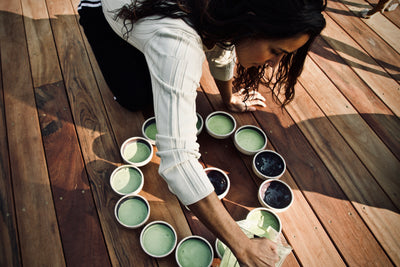
Looking at the color of matcha is one of the quickest and best ways to determine quality. Good matcha will be bright green and vibrant. It should be almost an electric green hue. The brightness comes from traditional farming practice- tea plants are shade-grown for the final few weeks before harvest, which increases chlorophyll levels. This practice not only enhances the color of the powder but also boosts antioxidant content and is what gives matcha its rich flavor. If you find matcha powder with a dull green, yellow, or even brownish color, it’s a sign that the tea wasn’t shade-grown or oxidized due to poor production or storage practices. Dull or yellow matcha is often quite bitter and won’t deliver the same smooth flavor or nutritional benefits as vibrant green matcha.
3. Texture
High-quality matcha almost has a velvety or silky texture to it. To make matcha, leaves are carefully ground into an ultra-fine consistency, so fine that it almost clings to the air when you scoop it. If you rush this process or use machines to grind the leaves, heat can easily destroy the leaves, ruin the taste, and diminish the benefits. Lower-grade matcha might also feel grainy or coarse.
4. Taste

When looking for good matcha, taste is a biggie. The best matcha will be naturally sweet, almost creamy, and have pleasant, earthy, umami notes. It should have little to no bitterness. Low-quality matcha can often have a harsh, bitter, or astringent taste. Instead of a smooth finish, it may feel chalky. This is one of the reasons you want to stick with ceremonial grade matcha for drinking, while culinary grade is better for smoothies or baked goods, where the bitterness can be balanced with other ingredients.
Find all our matcha recipes here!
5. Farming and processing practices
Matcha is more than just tea. It’s a cultivation of centuries' worth of tradition. Tea plants are shaded in the final weeks before harvest, which helps to concentrate nutrients. The youngest, most tender leaves are then hand-picked, and the stems and veins are removed. Tea leaves are then carefully and slowly ground into a fine, silky powder. This labor and time-intensive process is what makes matcha so unique. And it can’t be rushed. Look for reputable brands that disclose the origin and processing methods of their matcha.
6. Look at the packaging

Matcha is quite delicate, and exposure to air, light, moisture, or heat can quickly diminish both its taste and benefits. Good matcha will always be packaged in airtight, opaque tins or resealable pouches.
Once you open your matcha, you should store it in a cool, dark place such as the fridge or freezer. A good rule of thumb is to enjoy your matcha within a month of opening it.
7. Look at the price
If it’s too good to be true, it probably is. If you find ceremonial matcha being sold for just a few dollars, it’s likely not the genuine product. The higher price of matcha reflects the craftsmanship and quality of the tea. Culinary-grade matcha is more affordable and is great for everyday recipes or even lattes.
Red flags to look for:

- Products labeled as “green tea powder” instead of “matcha.”
- Vague sourcing like “Product of Asia.”
- Pre-sweetened blends that contain sugar, milk powder, or flavorings
- Extremely cheap matcha with no details about farm or region.
- Powders that are dull, brownish, or yellow and taste bitter.
Learn more about fake matcha here.
Bottom Line:
Good matcha is vibrant green, rich and earthy, and has incredible health benefits. But not all matcha is created equal, and with so many brands and products on the market now, it can be tough to know what you’re getting. However, once you know what to look for, it’s easy to spot the real deal. Look for matcha that is grown and harvested in Japan, that has a vibrant green color, silky texture, smooth umami taste, and that comes in an opaque airtight container. Matcha is more than just a delicious drink; it’s a chance to connect with centuries of tradition, and by buying a high-quality product, you’re supporting the skilled farmers who work hard to preserve the culture of matcha.
Disclaimer: These statements in this blog post have not been evaluated by the Food and Drug Administration. The information provided here is for educational purposes only and should not be considered as medical advice. It's essential to consult with a qualified healthcare professional before making any dietary or lifestyle changes