When it comes to heart health, what you sip can be just as important as what you skip. Some teas are packed with heart happy antioxidants, while others might sneak in extra sugar or caffeine that could do more harm than good, especially if you’re sipping them all day long.
Let’s look at 10 popular teas and their potential impact on your heart in order from best to worst.
1. Matcha green tea - a heart healthy choice
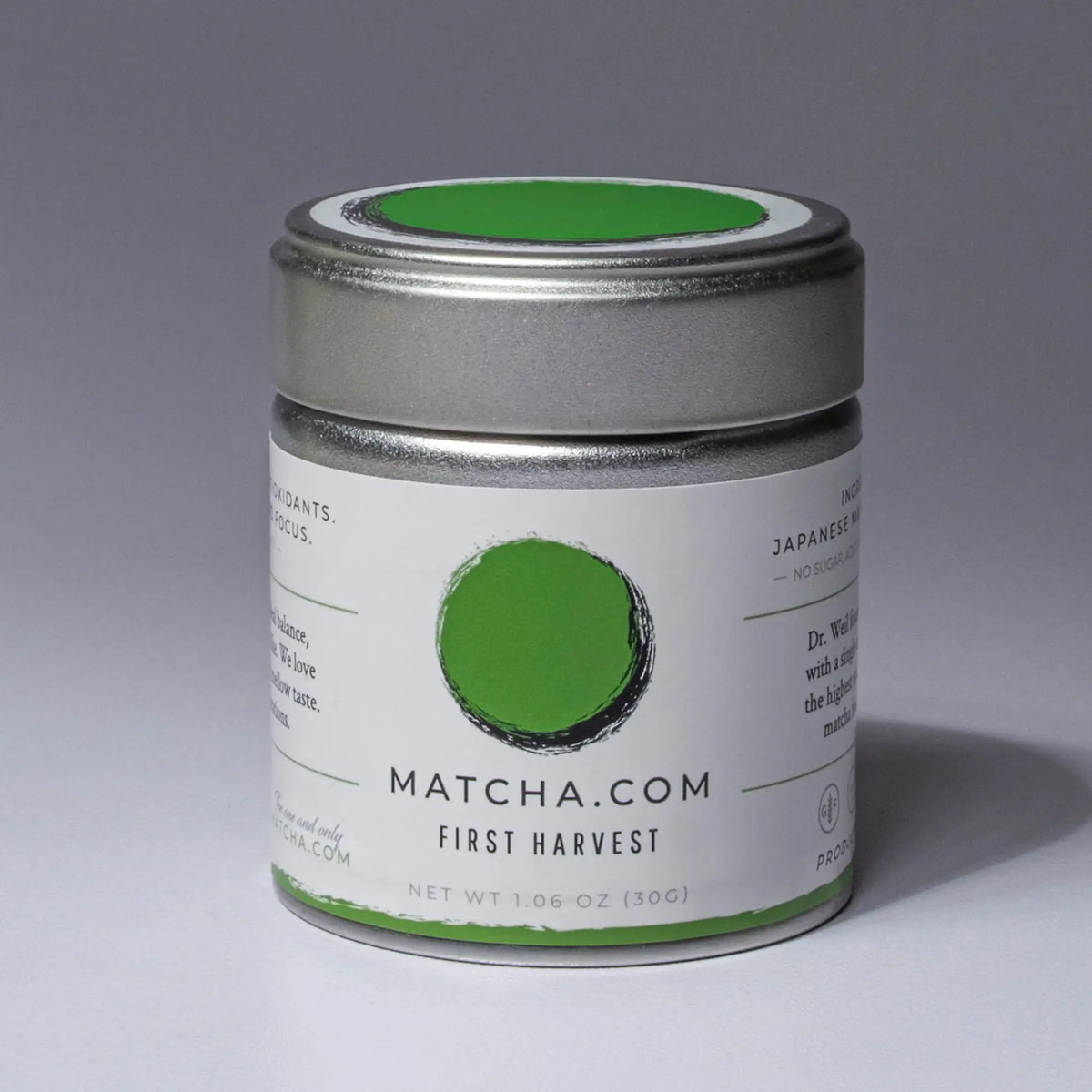
Matcha is loaded with catechins, especially EGCG, a powerful antioxidant that researchers have studied for its effects on blood pressure, cholesterol, and circulation. Plus, it provides a gentler caffeine boost that won't spike your heart rate the way coffee sometimes can.
Pro tip: Love matcha but don’t love the caffeine? Try our new decaf matcha. All the antioxidants with little to no caffeine.
2. Hibiscus tea - a tart, well-studied herbal option
Hibiscus tea has a tart, cranberry-like flavor and is one of the most researched herbal teas when it comes to blood pressure. It's rich in anthocyanins and other antioxidants that support blood vessel health. Because it's been studied for that effect, hibiscus may interact with blood pressure medication, so check with your doctor first if you take any.
Pro tip: Pre sweetened hibiscus blends might be loaded with sugar. Go for unsweetened or brew your own to control sugar content.

3. Black tea - a mixed bag
Moderate consumption of black tea (1 - 2 cups a day) may support heart health thanks to its flavonoid content. But too much caffeine or added cream and sugar? Now it’s not so heart friendly.
Pro tip: Black tea comes in lots of types and flavors which makes it fun to taste test and find your favorite. Be sure to avoid sweet tea and teas with tons of added sugars and syrups. Instead, try adding a squeeze of orange or lemon to your home brewed black tea for a fun pop of flavor with added vitamins and antioxidants.
4. Green tea - classic cardiovascular support
Beyond matcha, traditional green tea is a heart health MVP. It contains the same family of catechins as matcha, and research has linked regular green tea drinking with healthier cholesterol levels and artery function. Short-term studies have also found that green tea helps blood vessels relax, in part by encouraging the body's production of nitric oxide, a compound that helps arteries widen.
Pro tip: Aim for 3+ cups a day to see the most benefits, as noted in recent research on dementia and cardiovascular health.

5. Chamomile tea - soothing but not a superfood
Chamomile may help with sleep and stress, both of which impact heart health indirectly. But it doesn’t have the antioxidant power of green or hibiscus teas.
Pro tip: To make chamomile more heart health friendly, try adding cinnamon or ginger to your chamomile tea. Cinnamon contains cinnamaldehyde, which has anti-inflammatory and cholesterol lowering properties and ginger improves circulation, reduces inflammation, and supports blood vessel health.
6. Oolong tea - the middle ground
Oolong falls between green and black tea in oxidation. It has some heart benefits, like improving cholesterol and aiding fat metabolism, but less research support to back its antioxidant effects than green tea or matcha.
Pro tip: Choosing the right Oolong makes a difference. Wuyi Rock Oolong is higher in theaflavins and polyphenols. High mountain or green style oolongs are higher in catechins and lighter in taste.
7. Yerba mate - energy with a warning label
Popular in South America, yerba mate is high in caffeine and polyphenols. Some studies show cardiovascular pros, while others suggest cons like it may raise blood pressure or heart rate in sensitive folks due to high caffeine content and stimulants like theobromine and theophylline.
Pro tip: Enjoy occasionally, and avoid it if you have hypertension or arrhythmia.
8. White tea - gentle but effective
White tea is minimally processed and contains antioxidants similar to green tea, though in smaller amounts. It’s a solid option for a gentle heart healthy brew.
Pro tip: White tea is delicate, so don’t use boiling water or your tea will taste bitter. Instead opt for water at a temperature of 175 - 180 degrees.
9. "Flush" and slimming teas - proceed with caution
Many of these teas contain laxatives, diuretics, or unregulated herbal blends. These can dehydrate you or strain your heart especially if you’re also restricting food. If it promises to “flush fat” or make you drop 10 pounds overnight, skip it.
Pro tip: If you want a gentle, caffeine-free herbal cup instead, try dandelion root, ginger, or turmeric tea. Your liver and kidneys already do the filtering on their own.
10. Sweet bottled teas - big no no
Store bought teas (looking at you, peach green tea with 30g of sugar) can spike blood sugar and promote inflammation. Even if it’s green tea, black tea or white tea, that added sugar cancels out the benefits.
Pro tip: The same thing applies to heavily sweetened tea drinks from a cafe. Even something healthy like matcha or soothing like chai can become bad for your heart if you can’t control the sugar content. Making tea at home saves you money and helps avoid over sweetening!
A few more teas people ask about
Turmeric tea. Turmeric contains curcuminoids, antioxidants that researchers are studying for heart health, including in trials looking at blood lipids. Try our Japanese fermented turmeric as a warm, caffeine-free evening cup.
Rooibos tea. This South African herbal tea is naturally caffeine-free. A few small studies have looked at it for cholesterol and blood pressure, but there isn't enough research yet to say much.
Peppermint tea. Peppermint is a good caffeine-free option after dinner and is often used for an upset stomach, but there's very little research on it and heart health.
Tea works best alongside the basics
No tea replaces movement, sleep, and a balanced diet. The American Heart Association recommends about 150 minutes of moderate activity a week, which works out to roughly 30 minutes most days. Matcha fits easily into that routine as a pre-walk or pre-workout drink. Large reviews of population studies have found that people who drink tea daily tend to have slightly better heart outcomes than people who don't, which is encouraging, but those studies show an association, not proof that tea is the cause.
One important caution: tea, and herbal teas in particular, can interact with some heart and blood pressure medications. If you take any, ask your doctor or pharmacist before making several cups a day part of your routine.
The bottom line
Tea can be a powerful tool for supporting heart health but only if you choose wisely. Go for teas rich in antioxidants (like matcha, hibiscus, and green tea), and avoid the sugar bombs and over processed blends. Keep it simple and when in doubt, read the label.
You may also like:
Disclaimer: These statements in this blog post have not been evaluated by the Food and Drug Administration. The information provided here is for educational purposes only and should not be considered as medical advice. It's essential to consult with a qualified healthcare professional before making any dietary or lifestyle changes
Resources:
Kim, H. S., Quon, M. J., & Kim, J. A. (2014). New insights into the mechanisms of polyphenols beyond antioxidant properties; lessons from the green tea polyphenol, epigallocatechin 3-gallate. Redox biology, 2, 187–195. https://doi.org/10.1016/j.redox.2013.12.022
Xu, R., Yang, K., Ding, J., & Chen, G. (2020). Effect of green tea supplementation on blood pressure: A systematic review and meta-analysis of randomized controlled trials. Medicine, 99(6), e19047. https://doi.org/10.1097/MD.0000000000019047
Stangl, V., Lorenz, M., & Stangl, K. (2006). The role of tea and tea flavonoids in cardiovascular health. Molecular nutrition & food research, 50(2), 218–228. https://doi.org/10.1002/mnfr.200500118
McKay, D. L., Chen, C. Y., Saltzman, E., & Blumberg, J. B. (2010). [Randomized trial of Hibiscus sabdariffa L. tea in prehypertensive and mildly hypertensive adults.] The Journal of nutrition, 140(2), 298–303. https://doi.org/10.3945/jn.109.115097
Heck, C. I., & de Mejia, E. G. (2007). Yerba Mate Tea (Ilex paraguariensis): a comprehensive review on chemistry, health implications, and technological considerations. Journal of food science, 72(9), R138–R151. https://doi.org/10.1111/j.1750-3841.2007.00535.x
Chung M, Zhao N, Wang D, et al. Dose-Response Relation between Tea Consumption and Risk of Cardiovascular Disease and All-Cause Mortality: A Systematic Review and Meta-Analysis of Population-Based Studies. Adv Nutr. 2020;11(4):790-814. doi: 10.1093/advances/nmaa010.
Lorenz M, Urban J, Engelhardt U, Baumann G, Stangl K, Stangl V. Green and black tea are equally potent stimuli of NO production and vasodilation: new insights into tea ingredients involved. Basic Res Cardiol. 2009;104(1):100-110.
Persson IA, Persson K, Hägg S, Andersson RG. Effects of green tea, black tea and Rooibos tea on angiotensin-converting enzyme and nitric oxide in healthy volunteers. Public Health Nutr. 2010;13(5):730-737. doi: 10.1017/S1368980010000170.