As the days get shorter and colder, it’s a good idea to start thinking about ways to support your immune health. The change in seasons often means more time indoors, busier schedules, and more exposure to the everyday germs that seem to circulate this time of year.
The immune system is complex, and unfortunately, there isn’t just one food or habit that can “boost” your immune system overnight. However, your daily habits play an important role in supporting the body’s natural defenses. The immune system works best when it has the right foundation - eating a healthy diet, getting enough sleep, moving your body and managing stress are all important ways to support it.
Here are seven simple habits that can help support a healthy immune system year-round.
1. Prioritize a nutrient-dense diet

Your immune system relies on an adequate intake of vitamins, minerals, and plant compounds to function properly. Instead of focusing on one “immune-boosting” food, think about eating a diet rich in a wide variety of nutrients.
Eat as many colorful fruits and vegetables as possible. These foods are rich in antioxidants and polyphenols that help protect cells from oxidative stress. Foods like berries, leafy greens, citrus, peppers, mushrooms, and cruciferous vegetables are all great choices.
And don’t forget about protein and healthy fats, too. Protein provides amino acids needed to build immune cells and antibodies, while foods rich in omega-3 fatty acids, like walnuts, chia seeds, flaxseeds, and algae-based supplements, help support a healthy inflammatory response.
2. Drink matcha for a daily dose of plant compounds
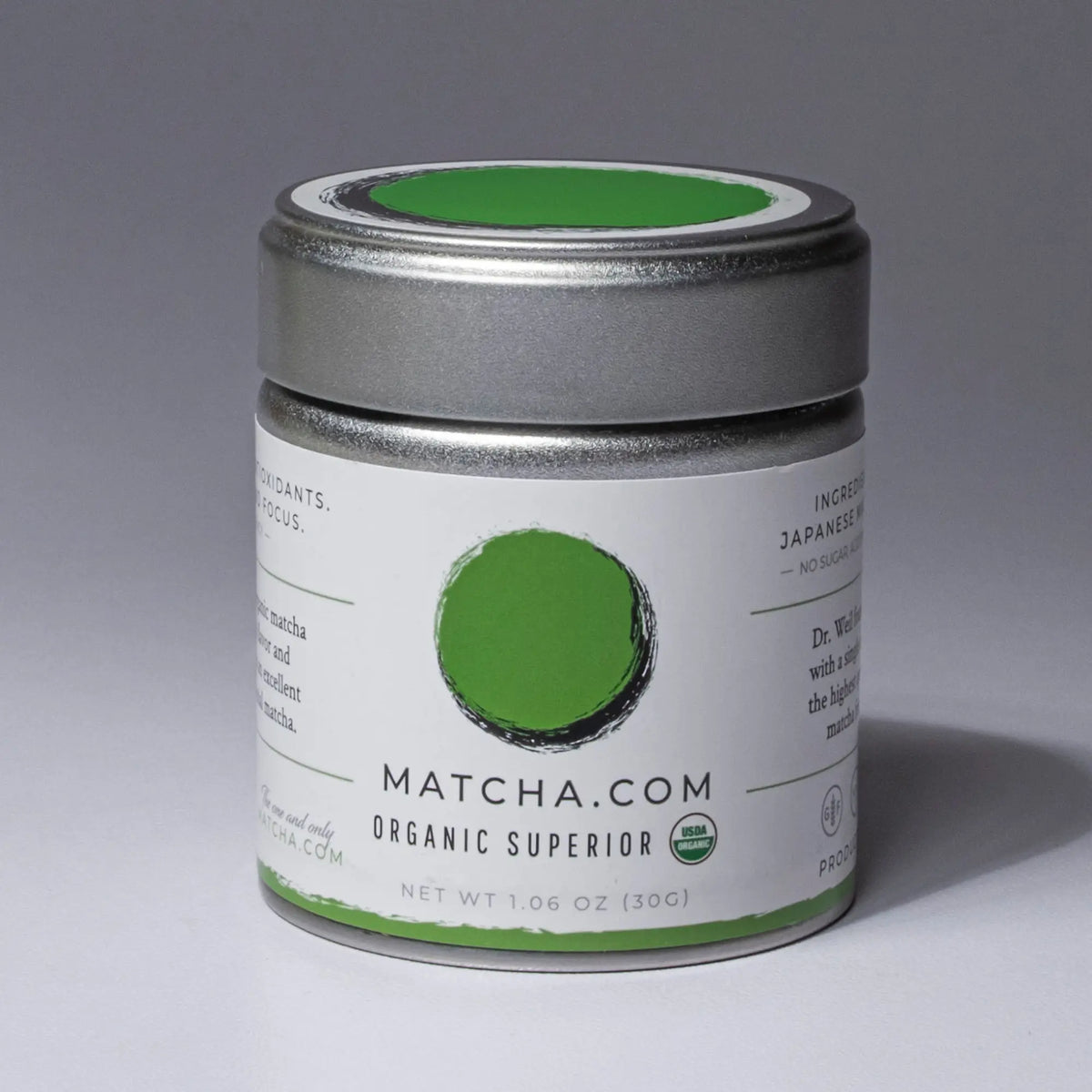
Matcha is more than just a flavorful alternative to coffee. Because matcha is made from whole tea leaves that are ground into a fine powder, you consume the entire leaf and all of its naturally occurring compounds.
Matcha is rich in polyphenols, including catechins like EGCG (epigallocatechin gallate), which have been studied for their antioxidant properties. Antioxidants help protect cells from damage caused by free radicals and support overall wellness.
Matcha also contains L-theanine, an amino acid that promotes a calm, focused state. Since chronic stress can negatively affect immune function, finding small ways to support relaxation and balance can be an important part of overall health.
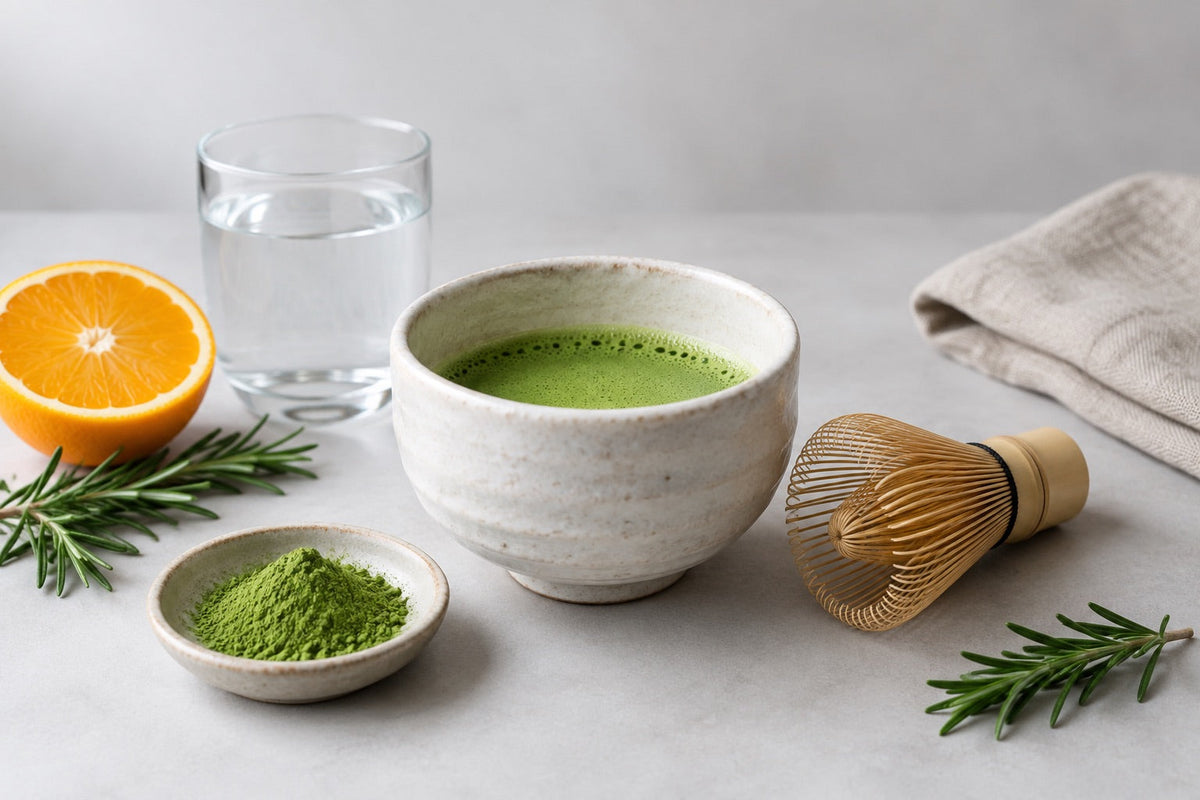
Enjoying a cup of matcha in the morning can be a simple way to add beneficial plant compounds into your daily routine.
3. Make sleep a priority

Sleep is one of the most important and often overlooked parts of immune health. During sleep, your body carries out essential repair processes and helps regulate immune activity.
Research shows that consistently getting enough quality sleep supports the body’s ability to respond to challenges. On the other hand, ongoing sleep deprivation can affect immune function and leave you feeling run-down.
We get that life doesn’t always allow for a perfect sleep routine, but small habits can help. Try keeping a consistent bedtime (even on the weekends), limiting bright light exposure in the evening, creating a relaxing nighttime routine, and avoiding caffeine too late in the day.
4. Support your gut health

A large portion of the immune system is closely connected to the gut. The trillions of microorganisms that live in your digestive tract, known as the gut microbiome, play an important role in immune regulation.
One of the best ways to support your microbiome is by eating plenty of fiber. Fiber acts as fuel for beneficial gut bacteria and is found in foods like beans, lentils, vegetables, fruits, nuts, seeds, and whole grains.
Eating fermented foods like sauerkraut, kimchi, yogurt with live cultures, and kefir regularly is another great way to add beneficial bacteria to your diet.
A healthy gut starts with a diverse diet. The more variety you can include in your meals, the more opportunities you give your microbiome to thrive.
5. Move your body regularly

Movement supports many aspects of health, including immune function. Moderate exercise helps promote healthy circulation, allowing immune cells to move throughout the body more efficiently.
You don’t need to spend hours at the gym to see benefits. Walking, strength training, yoga, cycling, or any activity you enjoy can contribute to a healthier lifestyle.
The key is consistency, so find something you truly enjoy doing.
6. Manage stress

Stress is a normal part of life, but ongoing stress can take a real toll on the body. Chronic stress affects hormones and inflammatory pathways that interact with immune function.
But managing stress shouldn’t feel like adding another task to your to-do list. Simple practices like spending time outdoors, connecting with loved ones, practicing meditation, engaging in breathing exercises, journaling, or making time for hobbies can all help build resilience. Even just five minutes a day can really make a meaningful difference!
7. Stay hydrated

Being properly hydrated supports nearly every system in the body. Water helps maintain healthy circulation, supports digestion, and keeps mucous membranes in the respiratory tract functioning properly.
If plain water feels difficult to drink during colder months, try herbal teas, warm lemon water, or a cup of matcha.
Remember that hydration needs vary based on factors such as activity level, climate, and individual needs. The goal is simply to make drinking enough fluids part of your everyday routine.
Bottom line
Eating a variety of whole foods, prioritizing sleep, managing stress, staying active, and adding nourishing habits like drinking matcha can all support your body’s natural ability to stay balanced. This fall and winter, focus less on chasing the latest immune trend and more on creating routines that help you feel your best.
Disclaimer: These statements in this blog post have not been evaluated by the Food and Drug Administration. The information provided here is for educational purposes only and should not be considered as medical advice. It's essential to consult with a qualified healthcare professional before making any dietary or lifestyle changes.
Resources:
Centers for Disease Control and Prevention. (2026, April 7). Healthy Habits: Enhancing Immunity. National Center for Chronic Disease Prevention and Health Promotion.
Monye I, Adelowo AB. Strengthening immunity through healthy lifestyle practices: Recommendations for lifestyle interventions in the management of COVID-19. Lifestyle Med (Hoboken). 2020 Jul;1(1):e7. doi: 10.1002/lim2.7. Epub 2020 Oct 3. PMID: 38607804; PMCID: PMC7646052.
Shao T, Verma HK, Pande B, Costanzo V, Ye W, Cai Y, Bhaskar LVKS. Physical Activity and Nutritional Influence on Immune Function: An Important Strategy to Improve Immunity and Health Status. Front Physiol. 2021 Oct 8;12:751374. doi: 10.3389/fphys.2021.751374. PMID: 34690818; PMCID: PMC8531728.
Brambilla D, Mancuso C, Scuderi MR, Bosco P, Cantarella G, Lempereur L, Di Benedetto G, Pezzino S, Bernardini R. The role of antioxidant supplement in immune system, neoplastic, and neurodegenerative disorders: a point of view for an assessment of the risk/benefit profile. Nutr J. 2008 Sep 30;7:29. doi: 10.1186/1475-2891-7-29. PMID: 18826565; PMCID: PMC2572622.
Wang S, Li Z, Ma Y, Liu Y, Lin CC, Li S, Zhan J, Ho CT. Immunomodulatory Effects of Green Tea Polyphenols. Molecules. 2021 Jun 20;26(12):3755. doi: 10.3390/molecules26123755. PMID: 34203004; PMCID: PMC8234133.
Alotiby A. Immunology of Stress: A Review Article. J Clin Med. 2024 Oct 25;13(21):6394. doi: 10.3390/jcm13216394. PMID: 39518533; PMCID: PMC11546738.
Dhabhar FS. Effects of stress on immune function: the good, the bad, and the beautiful. Immunol Res. 2014 May;58(2-3):193-210. doi: 10.1007/s12026-014-8517-0. PMID: 24798553.
Garbarino S, Lanteri P, Bragazzi NL, Magnavita N, Scoditti E. Role of sleep deprivation in immune-related disease risk and outcomes. Commun Biol. 2021 Nov 18;4(1):1304. doi: 10.1038/s42003-021-02825-4. PMID: 34795404; PMCID: PMC8602722.