



Matcha is having its moment in the limelight- and we get why! It’s been used in Japan for centuries and, more recently, worldwide, and is praised for its vibrant flavor and numerous health benefits.
At the same time, we’ve also seen a global shift, with consumers becoming more aware of where their goods and food are sourced, and this conversation plays an important role in choosing high-quality matcha. Truly premium matcha is grown with intention, ecological stewardship, and a deep commitment to preserving traditional Japanese techniques.

A tea plant (Camellia sinensis) can live for hundreds of years, making it a very sustainable and environmentally resilient crop. Unlike annual crops that require constant replanting, which can disrupt the soil, tea plants can become part of the ecosystem and help stabilize the soil.
Here's what sustainable matcha farming really looks like, and why it matters for both the planet and your cup.
What sustainable matcha really means
The tea farmers who grow and produce matcha must be hands-on and deeply connected to the environment. Many of the current farms have been around for decades, if not centuries. Some farms in Uji, Japan, have been growing tea for about 800 years. These farms are often passed on from generation to generation.
To be considered sustainable, the process must:
- Protect soil health
- Minimize environmental impact
- Support biodiversity
- Prioritize farmer well-being
- Maintain traditional growing practices
Growing sustainable matcha results in a tea that is not only higher in quality but also more nutrient-dense and flavorful.
Learn more about the history of matcha here.

What are Sustainable farming practices?
Shading techniques:
One of the things that sets matcha apart from other teas is that the leaves are shaded in the final few weeks before harvest. This stimulates chlorophyll production and increases L-theanine. Sustainable farms rely primarily on natural shading materials such as rice straw or traditional mesh rather than plastic coverings. While it can be labor-intensive, it also helps improve flavor, boosts benefits, and can support the surrounding ecosystem.
Organic and low-input farming:
Traditional matcha farmers focus on supporting the soil rather than manipulating it with synthetic chemicals. Instead of commercial pesticides or fertilizers, sustainable farms rely on compost, natural mulches, and green manure to correct deficiencies and nurture the soil.
These methods help protect groundwater and reduce chemical runoff into nearby water bodies. Organic practices also support long-term soil fertility, which can be essential for a perennial crop, like matcha, that may be cultivated on the same land for decades.

Soil and water health:
Healthy and fertile soil is the foundation of every tea plant. Many tea fields are located in mountainous regions where terraced growing techniques help prevent erosion and manage water flow naturally. Rainwater collection and efficient irrigation methods can help reduce water waste, while careful soil testing can ensure nutrients are replenished, and the soil stays healthy.
Ethical harvesting

Matcha calls for only the youngest, most tender leaves of the tea plant. They are traditionally handpicked and harvested. This process can support ethical labor standards, including fair wages, safe working conditions, and the preservation of generational knowledge passed down through farming families.
True sustainability requires transparency. The most responsible matcha producers work directly with small, family-owned farms rather than relying on mass-scale industrial suppliers. Long-term farming partnerships, third-party purity testing, and clear geographical sourcing help protect the integrity of authentic Japanese matcha and guard against misleading “green tea” powder imitations.
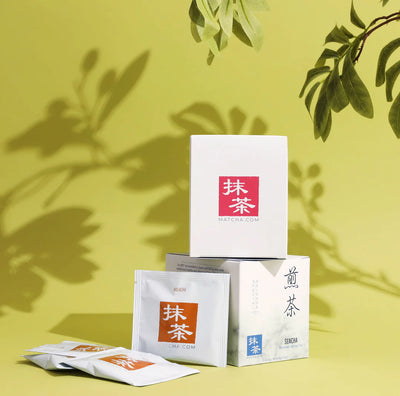
Here at Matcha.com, we partner with heritage farms in Japan that prioritize traditional farming techniques. Our matcha is cultivated with respect for the land, the farmers, and the centuries-old traditions that make this tea so extraordinary.