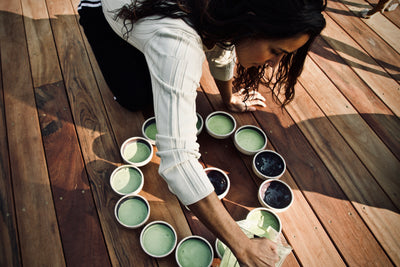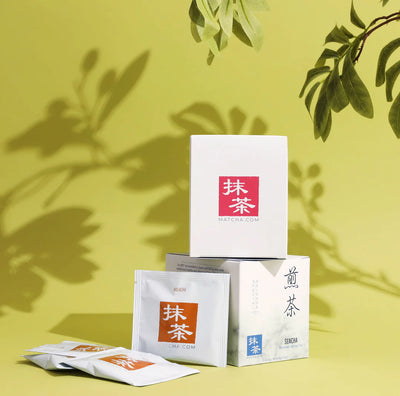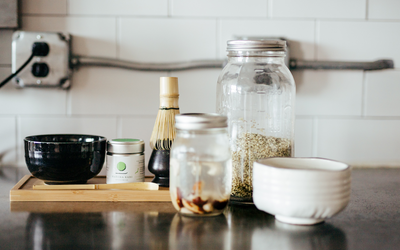




In the last few years, we’ve seen a major boom in matcha. It’s quickly evolved from a tea used primarily in Japanese ceremonies to a global wellness staple. However, not all matcha is created equal, and with demand surging, sourcing high-quality matcha (from Japan) has become more important than ever.
The best matcha comes from regions like Uji, Yame, and Nishio, where centuries-old farming techniques and ideal growing conditions create matcha with a deep, vibrant green color, natural sweetness, and rich umami.

We’ve rounded up the 6 best matcha brands, focusing on quality, sourcing transparency, and authenticity. These brands represent a mix of globally trusted leaders and lesser-known Japanese producers worth discovering.
1. Matcha.com (Matcha Kari) - Best Overall Matcha

If you're looking for matcha that balances quality, transparency, and taste, Matcha.com stands in a category of its own.
Sourced directly from multi-generational tea farms in Japan, Matcha.com prioritizes traceability, small-batch production, and sustainable cultivation practices. Each harvest is carefully monitored for freshness and nutrient density, ensuring a consistent, vibrant matcha experience.
Unlike many brands that rely on middlemen, Matcha.com works directly with farmers, supporting soil health and long-term agricultural sustainability while delivering a fresher product.
Why it stands out:
-
Direct relationships with Japanese tea farmers
-
Small-batch, fresh harvests
-
Smooth, balanced flavor with minimal bitterness
-
Strong focus on wellness and education
This combination of heritage sourcing and modern transparency makes it our top pick for both people new to matcha and those who already drink it daily.
2. Marukyu Koyamaen - Best for Traditional Uji Matcha
One of Japan’s most respected tea producers, Marukyu Koyamaen has been crafting matcha in Uji, Kyoto, for over 300 years.
Known for its rich umami and exceptional consistency, this brand is widely used in traditional tea ceremonies and favored by professionals in Japan.
Why it’s special:
-
Historic Uji-based producer
-
Deep, complex umami flavor
-
Wide range from ceremonial to culinary grades
While highly regarded in Japan, it remains relatively under-the-radar for everyday global consumers.

3. Kyoto Obubu Tea Farms - Best Small Farm Experience
Kyoto Obubu Tea Farms offers a different approach to matcha. They focus on education, transparency, and direct-to-consumer farming.
Located in Wazuka near Uji, this small farm produces seasonal matcha and invites customers into the process, from cultivation to harvest.
Why it stands out:
-
Small-scale, community-driven farm
-
Seasonal, limited-batch matcha
-
Strong focus on transparency and education
This is an ideal choice for those who want to connect more deeply with where their matcha comes from.
4. Hoshino Seichaen - Best Yame Matcha (Sweet & Smooth)

From the Yame region in Fukuoka, known for producing some of Japan’s sweetest, most luxurious teas, Hoshino Seichaen specializes in refined, high-end matcha.
Yame matcha is prized for its naturally sweet, mellow flavor profile and silky texture, thanks to expert shading techniques.
Why it’s unique:
-
Exceptionally smooth, low bitterness
-
Naturally sweet and floral
-
Produced in one of Japan’s most prestigious tea regions
It’s a great option for those who prefer a softer, more delicate matcha experience, but beware that it’s often sold out.
5. Ikkyu - Best Fresh, Direct-from-Japan Matcha
Ikkyu is a newer brand focused on freshness above all else. Their matcha is ground and shipped directly from Japan in frequent small batches, ensuring peak flavor and nutrient retention.
Working with family-run farms in Fukuoka, Ikkyu emphasizes organic cultivation and quick turnaround from harvest to consumer.
Why it stands out:
-
Extremely fresh, small-batch production
-
Direct-from-farm sourcing
-
Certified organic matcha options
This is a strong choice for anyone prioritizing freshness and simplicity.
6. Yamamasa Koyamaen - Best for Ceremonial-Grade Craftsmanship

Yamamasa Koyamaen is another Kyoto-based producer with deep roots in traditional matcha cultivation, known for its meticulous approach to stone grinding and blending.
While less known internationally, it has built a strong reputation among tea lovers for producing refined, ceremonial-grade matcha with a smooth texture and balanced umami- similar to what you’d experience in a traditional tea setting.
Why it stands out:
-
Traditional Kyoto production methods
-
Carefully blended ceremonial-grade matcha
-
Smooth, well-rounded flavor with subtle sweetness
For those interested in exploring matcha through a more traditional lens, this is an excellent addition to the list.
What to Look for in a High-Quality Matcha

When choosing matcha, focus on these key factors:
1. Origin
Matcha from Japan, especially Uji, Yame, or Nishio, is considered the gold standard.
2. Color
Look for a vibrant, bright green. Dull or yellow tones are a sign of a lower-quality tea.
3. Taste
High-quality matcha should be smooth, slightly sweet, and rich in umami, not bitter.
4. Freshness
Matcha is best consumed fresh. Smaller batches and direct sourcing often mean better flavor.
Bottom Line:
As matcha continues to grow in popularity, it’s becoming more important to source with care. Lower quality and “fake” powders are now commonplace.
While traditional Japanese producers offer incredible craftsmanship, brands like Matcha.com are helping bridge the gap and make premium matcha more accessible without compromising integrity.
If you’re new to matcha, start with a brand that prioritizes quality, sourcing, and freshness- it makes all the difference.