What does green tea do for your hair?
Keep reading to get specific details on why matcha green tea has made its way onto the ingredient list of some of the most popular hair care products, its particular health benefits for hair, and how you can easily include matcha in your self-care regimen.
What is matcha powder?
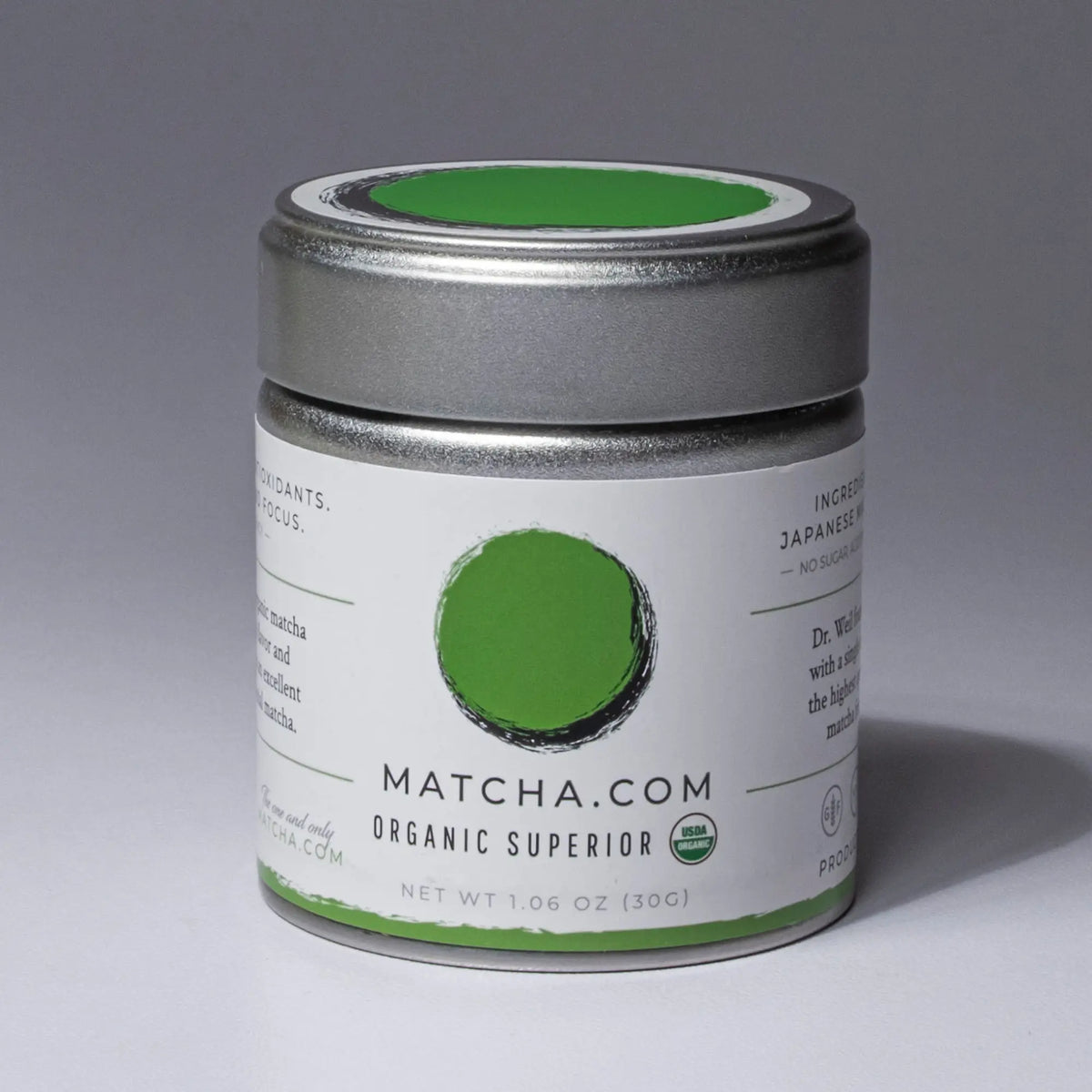
Long celebrated in Japan for its remarkable health benefits, Matcha powder has been around for centuries, refined by traditional Japanese Farming practices using shading. Instead of steeping a sachet filled with dried tea leaves like you would when preparing green tea, matcha enthusiasts scoop a bright, emerald green powder directly into warm water. As a result, matcha is a more potent form of green tea that comes from the same plant but is grown and prepared very differently. (10)

Matcha powder is made of finely ground, whole leaves, which allows it to pack at least ten times the amount of antioxidants of high-quality green teas. So in a way, you can think of Japanese-grown matcha as the supercharged version of green tea – and that matcha may have even more benefits than regular green tea. (10)
Why is Japanese matcha green tea good for hair?
Pollution, dirt circulating in the air, sweat-inducing workouts, and no-wash days can make your hair feel sticky, dirty, and lackluster. To keep your hair feeling and smelling its best, it's essential to have a deep cleansing and hydrating step in your hair care routine. (10)
Matcha can deliver both of these things and more.
Antioxidants: The secret protectors of your hair
Over the past few years, matcha and green tea have become popular active ingredients for various beauty and healthcare products, which has a lot to do with their antioxidant-rich and healthful compound composition – doing wonders for the skin and hair. (7)
Most of the powerful antioxidants found in matcha green tea are part of compounds known as flavonols. Catechins are a prominent form of flavonols responsible for some of the observed benefits of matcha green tea. Epigallocatechin gallate (EGCG) is matcha's most abundant and powerful catechin. It has been widely studied for its antioxidant and anti-inflammatory properties. (9)
What causes hair loss?
Hair loss, or alopecia, has many causes, and some of them are out of our control. Others, like diet and stress, are things we can influence. The most common causes include:
- Age: Some thinning is a natural part of getting older.
- Genetics: Family history is one of the biggest predictors of hair loss.
- Hormones: Pregnancy, childbirth, menopause, and thyroid changes can all affect hair growth. Male and female pattern hair loss is linked to the hormone DHT (dihydrotestosterone).
- Stress: It's common to notice extra shedding during or a few months after a stressful event.
- Medications: Hair loss is a side effect of some medications and supplements.
- Hair care: Tight styles, frequent bleaching or dyeing, and lots of heat can damage follicles over time.
- Nutrition: Low levels of iron, zinc, vitamin D, biotin, or protein can all show up as thinning hair.
Matcha won't change your genes, but it can help with the parts you can influence: nutrients, antioxidants, and stress.
6 Green Tea Hair Benefits: Why it may be worth sipping regularly and using matcha green tea in your hair care routine
Minimizing hair loss
Are you worried about losing your hair? Well, we can tell you one thing for sure – you are not alone, and you may want to consider drinking matcha for hair loss. Hair loss affects a lot of men and women. In fact, over 50% of men and 25% of women over 50 will experience hormone-related hair loss. Hormonal hair loss, also known as androgenetic alopecia, impacts 30 million women and 50 million men in the US alone.

In several studies, researchers have observed links between regular green tea intake and healthier hair. Matcha is packed with catechins (powerful antioxidants such as EGCG), and EGCG has been studied for its effect on dihydrotestosterone (DHT), the hormone most closely tied to pattern hair loss. (7)
What's even more amazing about matcha is it has also been studied to have high levels of polyphenols, which have been studied to promote hair regrowth and healthy hair follicles. (3) (7)
During hair loss, your hair's natural growth cycle shifts, and your cycle includes three phases:
- Anagen (hair growing)
- Catagen (transitional middle phase)
- Telogen (hair falling out and being lost)
In a study in mice, researchers observed that topical EGCG reduced testosterone-induced hair loss by prolonging the anagen phase of hair growth and slowing the telogen phase. (6)
Stress and shedding
Stress is one of the most common triggers for thinning hair. High levels of cortisol, the body's main stress hormone, can push hair follicles into a longer resting phase so less hair is actively growing. (13)
Matcha is rich in L-theanine, an amino acid known for promoting relaxation that has been studied for its effect on cortisol and the body's stress response. A daily cup won't erase a stressful season, but a calmer routine is good for your hair growth cycle as well as your mood.
Support healthy hair growth and regrowth
Does green tea help hair grow? Studies point to yes.
Matcha green tea may be beneficial for hair growth. In a hair loss study using mice, scientists found that 33% of the mice that consumed green tea extract experienced significant hair growth after six months, while the control group of mice saw no improvement in hair growth. (3)
Lab research on human cells is promising too. When researchers applied EGCG to human hair follicles and dermal papilla cells, the cells at the base of each follicle that drive hair growth, they observed increased growth activity, and a 2025 study found EGCG encouraged these cells to multiply and move. (9) (14)
Matcha also brings nutrients your hair relies on. It contains vitamin C, which your body needs to make collagen and which helps you absorb iron, both important for strong hair. It also contains vitamin E, an antioxidant, and zinc, which plays a role in normal follicle function.

Better nutrient delivery for more nutrient-dense hair
Did you know that your hair is part of a much larger system in the body known as the integumentary system? This includes your hair, skin, nails, and other accessory structures, which all receive blood flow and nutrients from your bloodstream during their growth phases. As a result, hair growth is hugely impacted by the oxygen and nutrient delivery to your skin – and poor circulation can actually lead to hair loss.
Drinking matcha green tea may increase the supply of oxygen and healthy nutrients to your scalp – meaning more luscious, nutrient-dense hair. (5) (4)
In one study done over 12 weeks, researchers observed a 29% increase in blood flow and oxygen delivery in 15 participants taking green tea extract. In the same study, another research group observed that those who drank at least 4 cups of green tea for 12 weeks showed significant improvements in their hair and skin hydration. (4)
Reduce split ends
Split ends are an all-too-common hair problem that is often a sign of dry, brittle hair. However, with matcha green tea, you can address the root of the problem of split ends by really treating your hair from the root outward.
Researchers have found that panthenol (Vitamin B), an active ingredient in matcha green tea, is particularly effective at preventing and helping mend split ends. It also helps moisturize hair and help control hair breakage. (1) (9)

Prevent sebum buildup and an itchy scalp
Itchy scalp or dandruff? Matcha may help.
In addition to protecting your hair from split ends and drying out, green tea polyphenols have been studied for helping protect skin, including the scalp, from UV damage. Matcha's rich antioxidant content helps protect against oxidative damage. Specifically, the tannins in green tea have been found to help regulate excess sebum production on the scalp, addressing oily roots, unclogging hair follicles, and soothing unbalanced scalps.
Plus, the caffeine content in matcha green tea has also been shown to help stimulate blood flow to the hair follicles – keeping your scalp happy. (6)
Green tea also has natural antimicrobial properties. Lab studies have found green tea extracts active against some of the microbes associated with dandruff, which is one reason it shows up in so many scalp treatments. (15)

Slow down the premature graying of hair
Do you have a few more gray hairs than you'd like at an early age or just want a boost that could help promote healthy aging?
Drinking and applying green tea topically has also been studied to slow down the graying of hair. That's right. You read that correctly.
Researchers have found that low levels of vitamin B-6, B-12, biotin, and Vitamin E may be responsible for playing active roles in graying hair – and drinking green tea daily could help slow down the premature graying of hair with age. (7)
How do you use matcha for hair growth? Here's how to use matcha green tea for your hair:
Along with drinking 2 cups of matcha daily for a great source of hair-happy antioxidants, applying it topically is just as straightforward.
Many different shampoos, conditioners, masks, and clarifying rinses made with matcha or some green tea extract.
4 Step Guide to a Nourishing and Hydrating Homemade matcha green tea hair mask:
Ingredients you will need:

- ½ very ripe avocado (a bit of brown is good 😌 )
- 2 Tbsp Greek yogurt
- 1 Tbsp melted coconut oil
- ½ tsp. of honey
- ½ Tbsp culinary grade matcha
Directions:
- Mash or blend all your ingredients together until a bright green paste forms.
- Massage your mixture into your dry hair and scalp, taking a few handfuls at a time and distributing it evenly from root to tip.
- You can then take a scrunchie (you don't mind getting a little dirty) to tie up your hair or even wrap it in a towel. Leave on the mask for at least 30 minutes.
- Follow with a water rinse, shampoo, and condition.

Matcha Shampoo:
You can try using a daily shampoo that has matcha green tea extract. When using the shampoo, try to focus on really scrubbing your scalp and roots for the best results. Then, apply it gently to your scalp and massage using slow movements.
Matcha conditioner:
You can apply a green tea conditioner to your hair's roots down to your tips and let it sit for 5-10 minutes or the time specified on the packaging. Rinse off with water.
Matcha scalp mask:
For a soothing scalp treatment that also clears product buildup, mix 1 tbsp matcha powder, 2 tbsp aloe vera gel, 1 tbsp jojoba oil, and 2-3 drops of tea tree oil into a smooth paste. Massage it into your scalp in small circles, leave it on for 15-20 minutes, then rinse with warm water and shampoo.
Matcha green tea for your beard:
Looking for a beard mask recipe for a strong, shiny, and persistent beard? We've got you covered! You can try mixing 1-2tspn of matcha powder with coconut oil. Apply your mixture to your beard and leave on for 10-15 minutes.
4 Step Guide to a Simple Matcha Hair Clarifying Rinse:

Ingredients you will need:
- 2 cups cold water
- ½ cup apple cider vinegar
- 2 teaspoons culinary grade matcha
- 4 drops tea tree oil or essential oil of choice (optional)
Directions:
-
Fill a non-breakable container with 2 cups of cold water.
-
Add your matcha and essential oil. Vigorously shake (with a lid!) or stir using a whisk or fork until fully dissolved.
-
Then after shampooing and conditioning hair, pour matcha mixture all over the scalp and hair.
-
Let sit for at least 5 minutes and then rinse thoroughly.
The Bottom Line – ask your practitioner about matcha for hair health
Among such a range of practical and well-studied health benefits, you're probably not surprised to know matcha powder may also be an incredible natural beauty treatment for your hair. Matcha may benefit your hair by:
- Strengthening hair roots and encouraging regrowth
- Improving blood circulation to the scalp
- Supporting a healthy hair growth cycle, including during stressful times
- Soothing an oily, flaky scalp
- Slowing down the graying of hair
- Reducing split ends
Keep in mind – though these results of using matcha to reduce hair loss and promote hair regrowth are promising – it is currently not known how quick and just how impactful green tea hair treatments can be for hair growth in more extensive human trials – especially for those who don't suffer from hormone-related hair loss.
Whether you feel like your hair is just lackluster and dry, or you are suffering from hormonal-related hair loss — matcha green tea may be able to help! Just remember that it takes time to show results, with most studies pointing to drinking green tea or using it topically for at least 90 days for improved hair health. (11)
You can apply matcha green tea directly to hair by making an at-home mask (combine it with any natural type of gel or coconut oil). Still, we recommend drinking matcha at least once daily to enjoy the full range of supportive health benefits.
SHOP ALL MATCHASHOP LOOSE-LEAF
References:
-
Almohanna, H. M., Ahmed, A. A., Tsatalis, J. P., & Tosti, A. (2018). The Role of Vitamins and Minerals in Hair Loss: A Review. Dermatology and Therapy, 9(1), 51–70. https://doi.org/10.1007/s13555-018-0278-6
-
Bassino, E., Gasparri, F., & Munaron, L. (2020). Protective Role of Nutritional Plants Containing Flavonoids in Hair Follicle Disruption: A Review. International Journal of Molecular Sciences, 21(2), 523. https://doi.org/10.3390/ijms21020523
-
Esfandiari, A., & Kelly, A. P. (2005). The effects of tea polyphenolic compounds on hair loss among rodents. Journal of the National Medical Association, 97(8), 1165–1169.
-
Heinrich, U., Moore, C. E., de Spirt, S., Tronnier, H., & Stahl, W. (2011). Green Tea Polyphenols Provide Photoprotection, Increase Microcirculation, and Modulate Skin Properties of Women. The Journal of Nutrition, 141(6), 1202–1208. https://doi.org/10.3945/jn.110.136465
-
Hoover E, Alhajj M, Flores JL. Physiology, Hair. [Updated 2021 Jul 26]. In: StatPearls [Internet]. Treasure Island (FL): StatPearls Publishing; 2022 Jan-. Available from: https://www.ncbi.nlm.nih.gov/books/NBK499948/
-
Kim, Y. Y., Up No, S., Kim, M. H., Kim, H. S., Kang, H., Kim, H. O., & Park, Y. M. (2011). Effects of topical application of EGCG on testosterone-induced hair loss in a mouse model. Experimental Dermatology, 20(12), 1015–1017. https://doi.org/10.1111/j.1600-0625.2011.01353.x
-
Koch, Zagórska, Marzec, & Kukula-Koch. (2019). Applications of Tea (Camellia sinensis) and its Active Constituents in Cosmetics. Molecules, 24(23), 4277. https://doi.org/10.3390/molecules24234277
-
Kumar, A., Shamim, H., & Nagaraju, U. (2018). Premature graying of hair: Review with updates. International Journal of Trichology, 10(5), 198. https://doi.org/10.4103/ijt.ijt_47_18
-
Kwon, O., Han, J., Yoo, H., Chung, J., Cho, K., Eun, H., & Kim, K. (2007). Human hair growth enhancement in vitro by green tea epigallocatechin-3-gallate (EGCG). Phytomedicine, 14(7–8), 551–555. https://doi.org/10.1016/j.phymed.2006.09.009
-
Sivanesan, I., Gopal, J., Muthu, M., Chun, S., & Oh, J. W. (2021). Retrospecting the Antioxidant Activity of Japanese Matcha Green Tea–Lack of Enthusiasm? Applied Sciences, 11(11), 5087. https://doi.org/10.3390/app11115087
-
Umar, S., & Carter, M. J. (2021). A Multimodal Hair-Loss Treatment Strategy Using a New Topical Phytoactive Formulation: A Report of Five Cases. Case Reports in Dermatological Medicine, 2021, 1–12. https://doi.org/10.1155/2021/6659943
-
Ustuner, E. T. (2013). Cause of Androgenic Alopecia. Plastic and Reconstructive Surgery Global Open, 1(7), e64. https://doi.org/10.1097/gox.0000000000000005
-
Thom, E. (2016). Stress and the Hair Growth Cycle: Cortisol-Induced Hair Growth Disruption. Journal of Drugs in Dermatology, 15(8), 1001–1004.
-
Yu, Y., Zhao, B., Li, J., Yang, J., Bao, Z., Cai, J., Chen, Y., & Wu, X. (2025). (−)-Epigallocatechin-3-gallate promotes the dermal papilla cell proliferation and migration through the induction of VEGFA. Biochimica et Biophysica Acta (BBA) - Molecular Cell Research, 1872(3), 119902. https://doi.org/10.1016/j.bbamcr.2025.119902
-
Reygaert, W. C. (2014). The antimicrobial possibilities of green tea. Frontiers in Microbiology, 5, 434. https://doi.org/10.3389/fmicb.2014.00434