



If you’ve been waiting to start eating in a more anti-inflammatory way, summer is one of the easiest and most delicious times of year to start. This is one of our favorite times of year, because you can easily grab fresh, delicious produce at your local farmers’ market, or maybe you even have your own garden with fresh fruit and veggies.

Inflammation is a normal part of the body's immune response, but chronic low-grade inflammation has been linked to a variety of health conditions, including cardiovascular disease, type 2 diabetes, arthritis, and cognitive decline. Research suggests that diet can either help reduce inflammation or ramp up inflammation. Our co-founder Dr. Andrew Weil, created a food pyramid designed to help people eat in a way that combats inflammation and supports overall health. It’s based on research that eating a diet rich in whole plant foods, healthy fats, herbs, spices, and antioxidant-rich beverages has been shown to help support a healthy inflammatory response.
Here are some of the best anti-inflammatory foods to enjoy all summer long.
1. Berries

Whether you prefer blueberries, strawberries, raspberries, or blackberries, berries are packed with vitamins, fiber, and polyphenols. Their vibrant colors come from compounds called anthocyanins, antioxidants that have been studied for their role in reducing oxidative stress and supporting cardiovascular and brain health.
Berries are also an excellent source of vitamin C and fiber, two nutrients that many Americans don't consume enough of.
If you want to eat more berries, try adding them to your overnight oats, smoothies, yogurt bowls, or eating them by the handful alongside an iced matcha latte.
2. Tomatoes

Tomatoes reach their peak sweetness during the summer months and are one of the richest dietary sources of lycopene, a carotenoid responsible for their bright red color.
Lycopene functions as an antioxidant and has been associated with heart health and protection against oxidative damage. Interestingly, cooking tomatoes with a healthy fat like olive oil increases lycopene absorption, making tomato sauces and roasted tomatoes just as nutritious as fresh ones.
Tomatoes are great in caprese salads, grilled vegetable skewers, gazpacho soup, or in a pasta sauce.
3. Watermelon
Watermelon is made up of, you guessed it, water! So it can be an excellent choice to help you stay hydrated during hot weather. It also contains lycopene, vitamin C, and the amino acid citrulline, which has been studied for its potential to support healthy blood flow and exercise recovery.
We love watermelon on its own or in a salad topped with feta cheese.
4. Fresh Herbs

Basil, mint, cilantro, parsley, and dill are great ways to flavor your meals, but they’re also concentrated sources of antioxidants and phytochemicals.
Fresh herbs are also a hallmark of traditional Mediterranean and the anti-inflammatory diet.
Add fresh herbs to your salads, grain bowls, homemade dressings, infused water, or blended into pesto.
5. Leafy Greens
Spinach, arugula, kale, and mixed greens provide folate, vitamin K, magnesium, and numerous plant compounds that support overall health.
Research consistently shows that diets rich in leafy greens are associated with a lower risk of chronic disease, making them an important foundation for anti-inflammatory meals.
Try sauteeing dark leafy greens and adding them to your scrambled eggs.
6. Cherries

Sweet cherries are one of our favorite summer fruits. They are also rich in anthocyanins and other polyphenols. Some research suggests that tart cherries may help you recover from exercise faster and help you get better sleep. Both sweet and tart varieties contain antioxidants, so pick whichever you like more.
Enjoy them fresh, frozen, or blended into smoothies.
7. Extra Virgin Olive Oil

Extra virgin olive oil is a cornerstone of an anti-inflammatory diet. Rich in monounsaturated fats and polyphenols, olive oil has been extensively studied for its role in supporting heart health and reducing markers of inflammation.
Use olive oil as your main cooking oil or for an easy homemade vinaigrette, whisk it with lemon juice, Dijon mustard, garlic, and herbs.
8. Matcha

Matcha contains a unique combination of caffeine and L-theanine, an amino acid that counteracts caffeine's side effects, leaving you feeling calm, focused, and energized. Matcha is also a concentrated source of antioxidants.
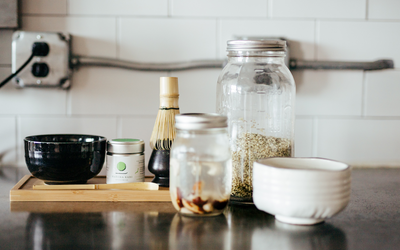
Unlike steeped green tea, matcha is made by whisking finely ground tea leaves directly into water, allowing you to consume the entire leaf. This means you get more of the “good stuff”. One of the most researched compounds in matcha is epigallocatechin gallate (EGCG), a catechin known for its antioxidant and anti-inflammatory properties.
On hot summer days, enjoy matcha over ice or try it blended into a smoothie,
Bottom Line
The basics of the anti-inflammatory diet are built around whole foods that are often at their peak during the summer months. Berries, tomatoes, watermelon, leafy greens, fresh herbs, extra virgin olive oil, cherries, and matcha all provide unique antioxidants and phytochemicals that help support the body's natural defenses against oxidative stress.
Take advantage of the season by shopping at your local farmers' market, filling your plate with colorful produce, and enjoying simple meals with fresh ingredients. Your body and your taste buds will thank you.
Disclaimer: These statements in this blog post have not been evaluated by the Food and Drug Administration. The information provided here is for educational purposes only and should not be considered as medical advice. It's essential to consult with a qualified healthcare professional before making any dietary or lifestyle changes.
Resources:
Hayat, K., Iqbal, H., Malik, U., Bilal, U., & Mushtaq, S. (2015). Tea and its consumption: benefits and risks. Critical reviews in food science and nutrition, 55(7), 939–954. https://doi.org/10.1080/10408398.2012.678949
Kochman, J., Jakubczyk, K., Antoniewicz, J., Mruk, H., & Janda, K. (2020). Health Benefits and Chemical Composition of Matcha Green Tea: A Review. Molecules (Basel, Switzerland), 26(1), 85. https://doi.org/10.3390/molecules26010085
Chavda VP, Feehan J, Apostolopoulos V. Inflammation: The Cause of All Diseases. Cells. 2024 Nov 18;13(22):1906. doi: 10.3390/cells13221906. PMID: 39594654; PMCID: PMC11592557.
Yu X, Pu H, Voss M. Overview of anti-inflammatory diets and their promising effects on non-communicable diseases. Br J Nutr. 2024 Oct 14;132(7):898-918. doi: 10.1017/S0007114524001405. Epub 2024 Oct 16. PMID: 39411832; PMCID: PMC11576095.
Scheiber A, Mank V. Anti-Inflammatory Diets. [Updated 2023 Oct 28]. In: StatPearls [Internet]. Treasure Island (FL): StatPearls Publishing; 2026 Jan-. Available from: https://www.ncbi.nlm.nih.gov/books/NBK597377/
Kiecolt-Glaser JK. Stress, food, and inflammation: psychoneuroimmunology and nutrition at the cutting edge. Psychosom Med. 2010 May;72(4):365-9. doi: 10.1097/PSY.0b013e3181dbf489. Epub 2010 Apr 21. PMID: 20410248; PMCID: PMC2868080.